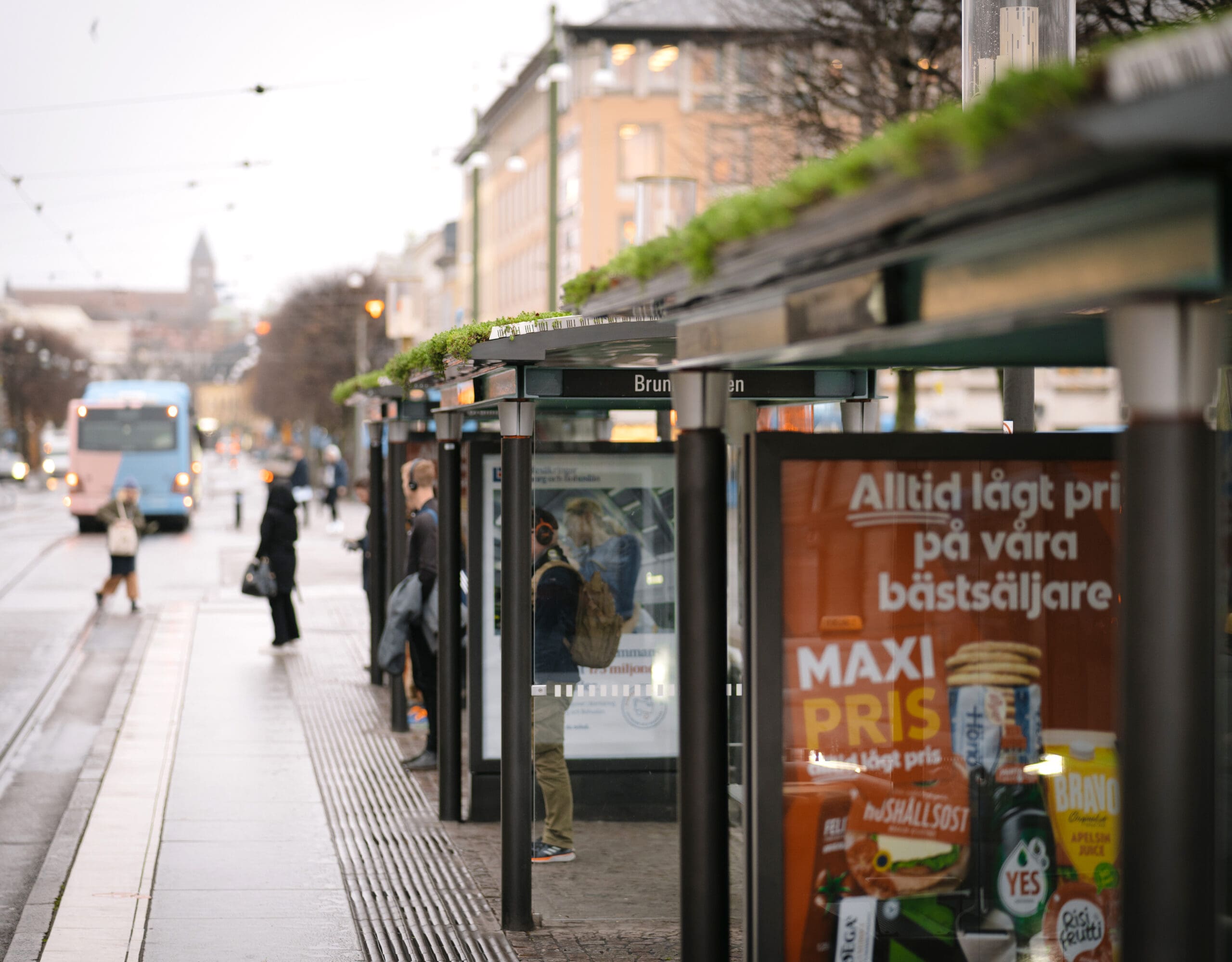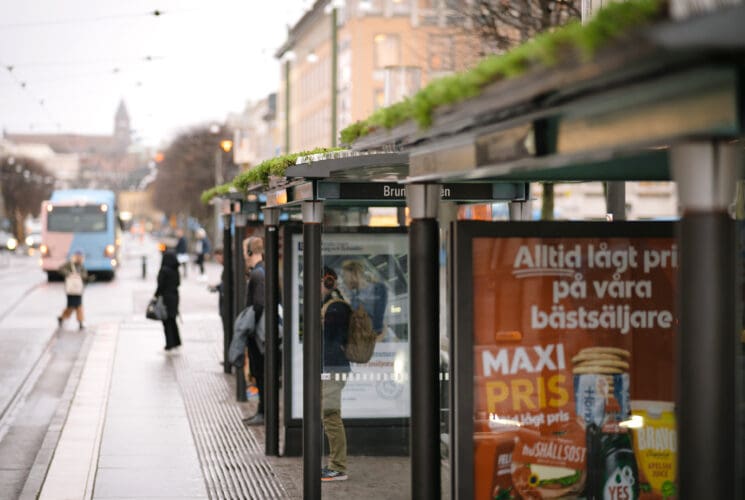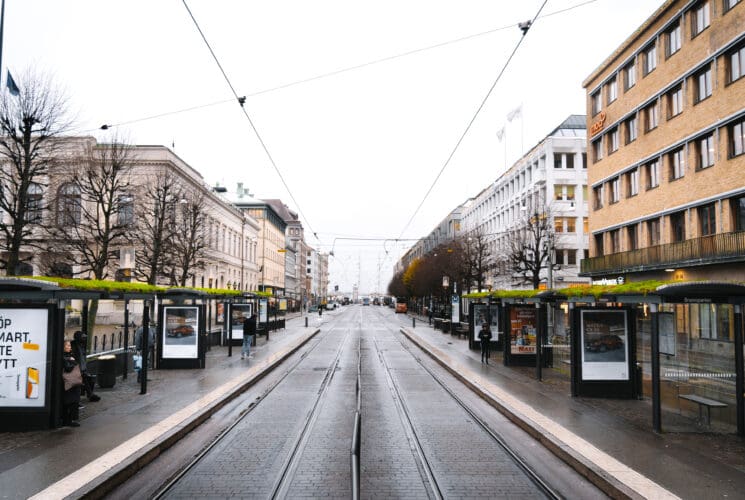



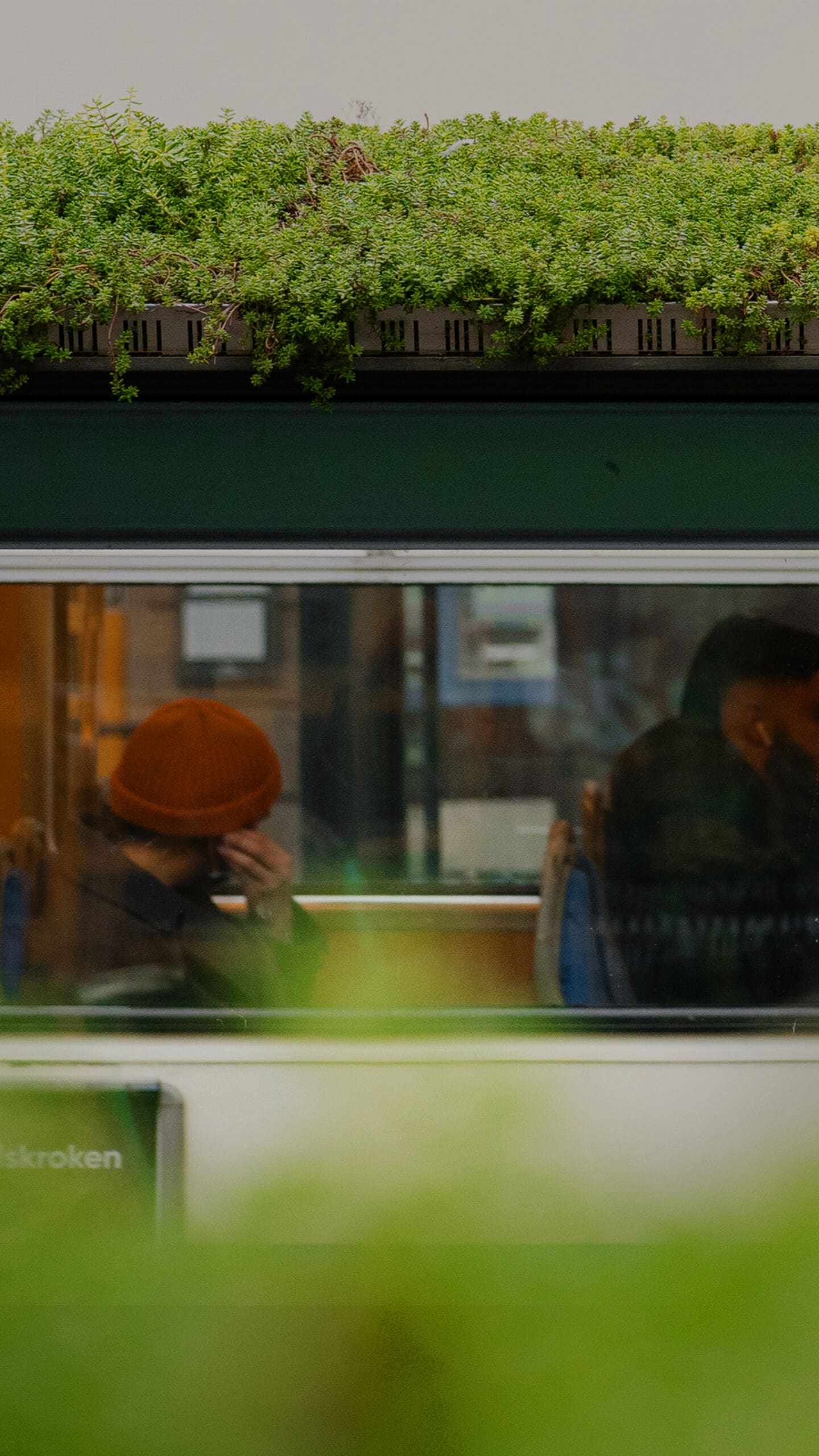
JCDecaux offers advertising-funded street furniture, like our glass-enclosed bus shelters, at no cost to cities. For citizens, this means functionality and safety. For brands, it creates visibility where people move the most: on their way to work, between meetings, or coming home from working out. With high coverage, frequent presence, and strategic placement, our bus shelters become a natural touchpoint between brands and the city’s pulse. A format where relevance meets reach with precision.

Where form meets function

JCDecaux pioneered the world’s first advertising-funded bus shelter more than 60 years ago. Our philosophy is that our weather shelters should be functional, accessible, and sustainable. They should also fit into various environments, contributing to the sbeautification of public Space. Therefore, the street furniture is always tailored to the needs of each municipality and city.
Sedum-covered roofs

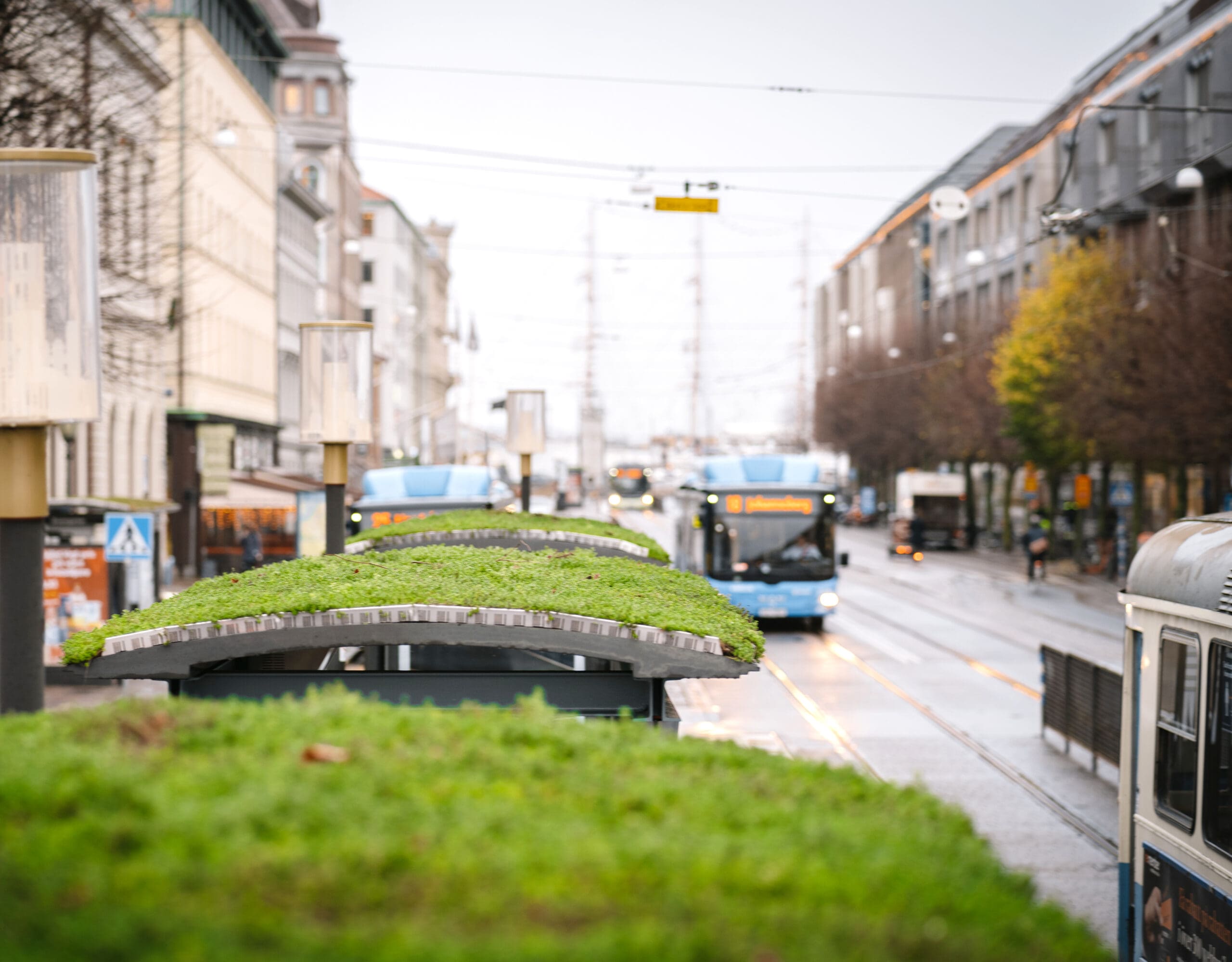
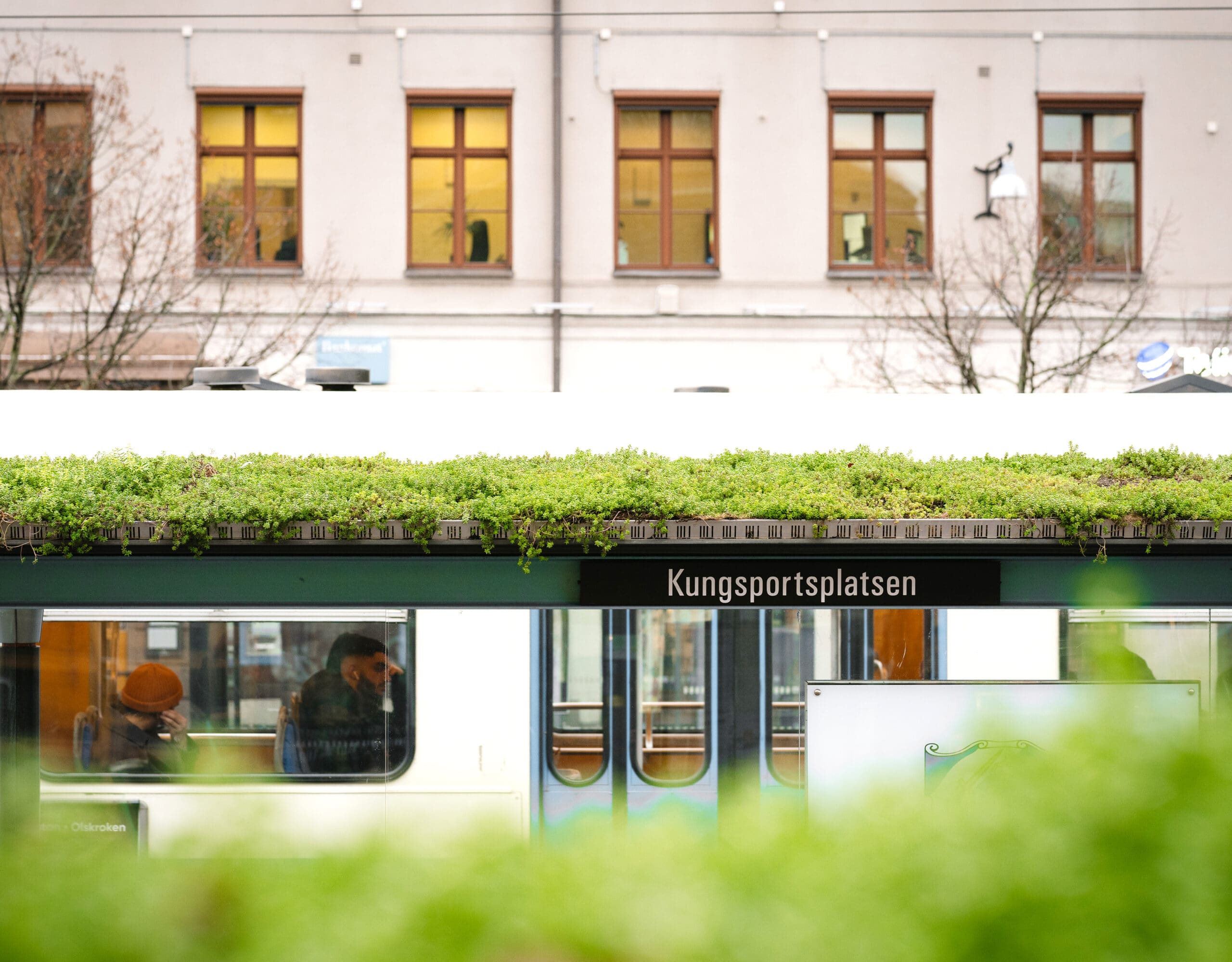
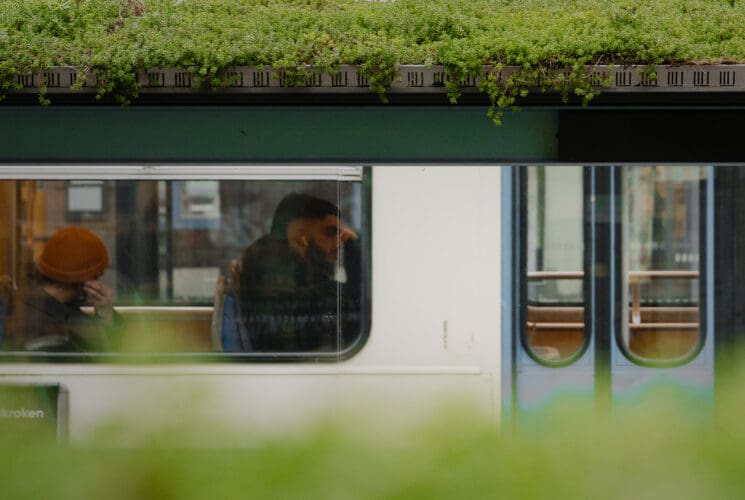
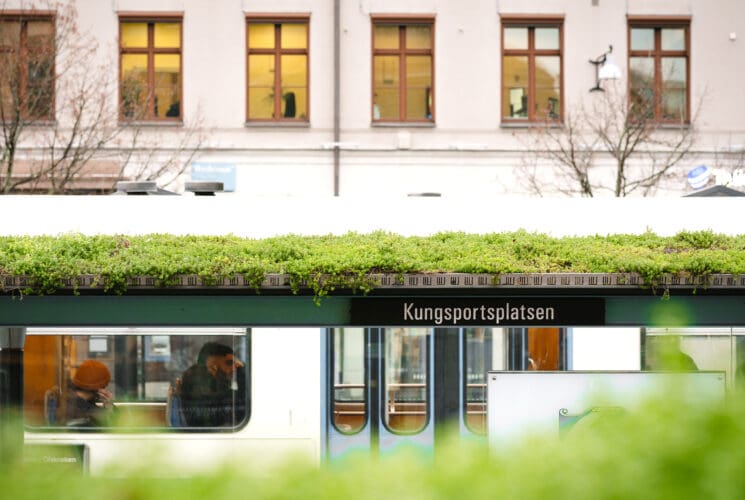
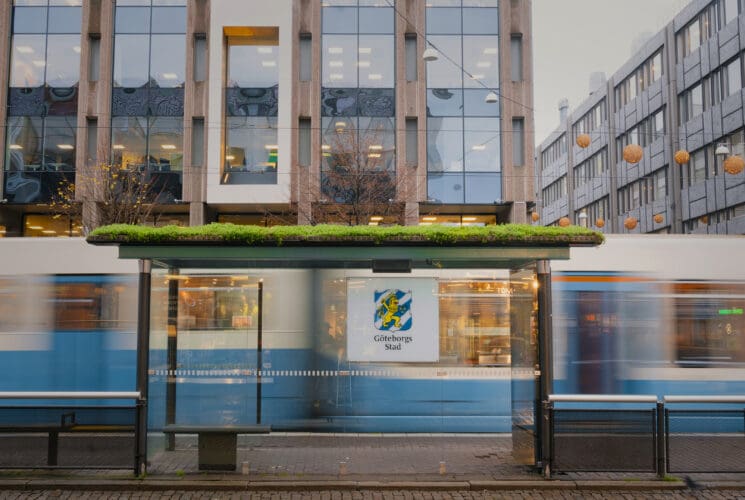
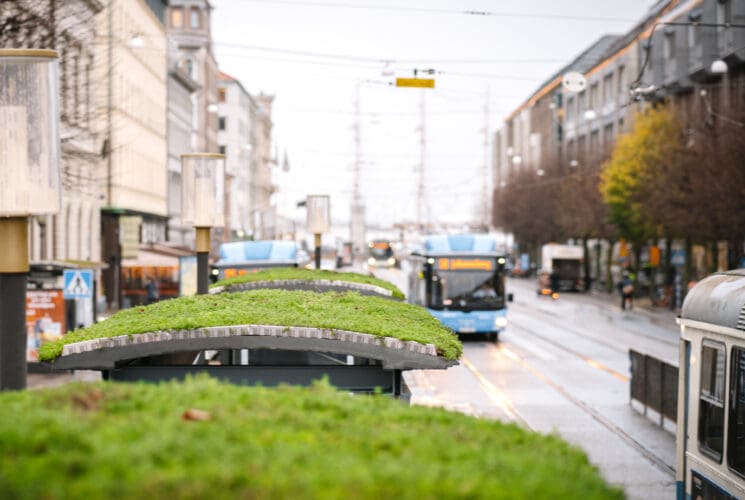
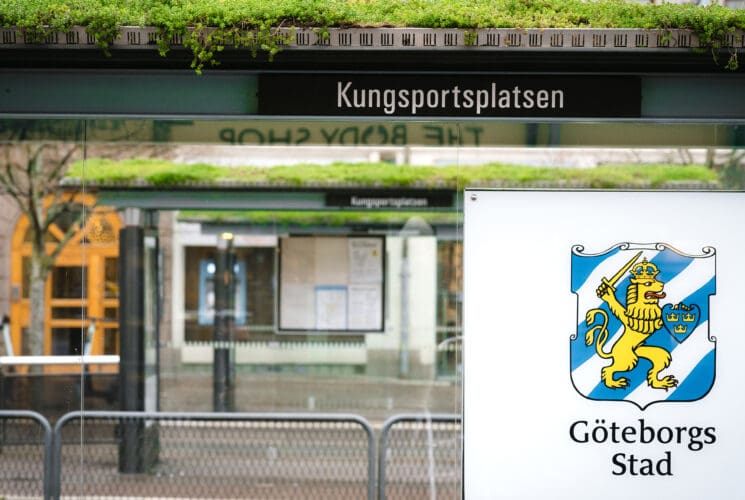
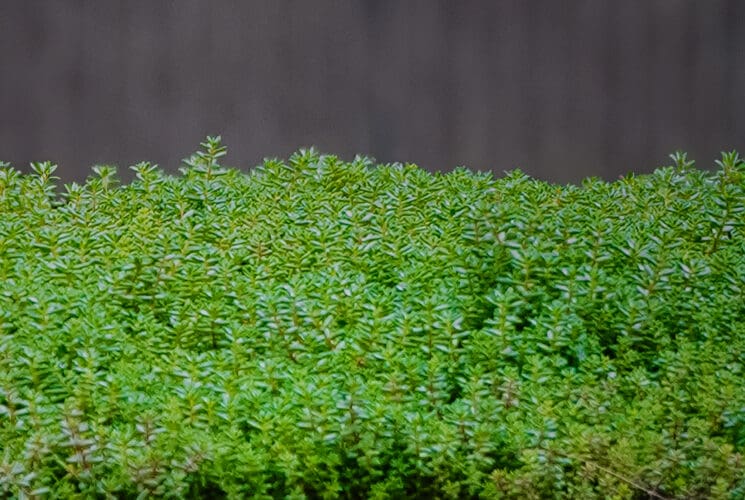
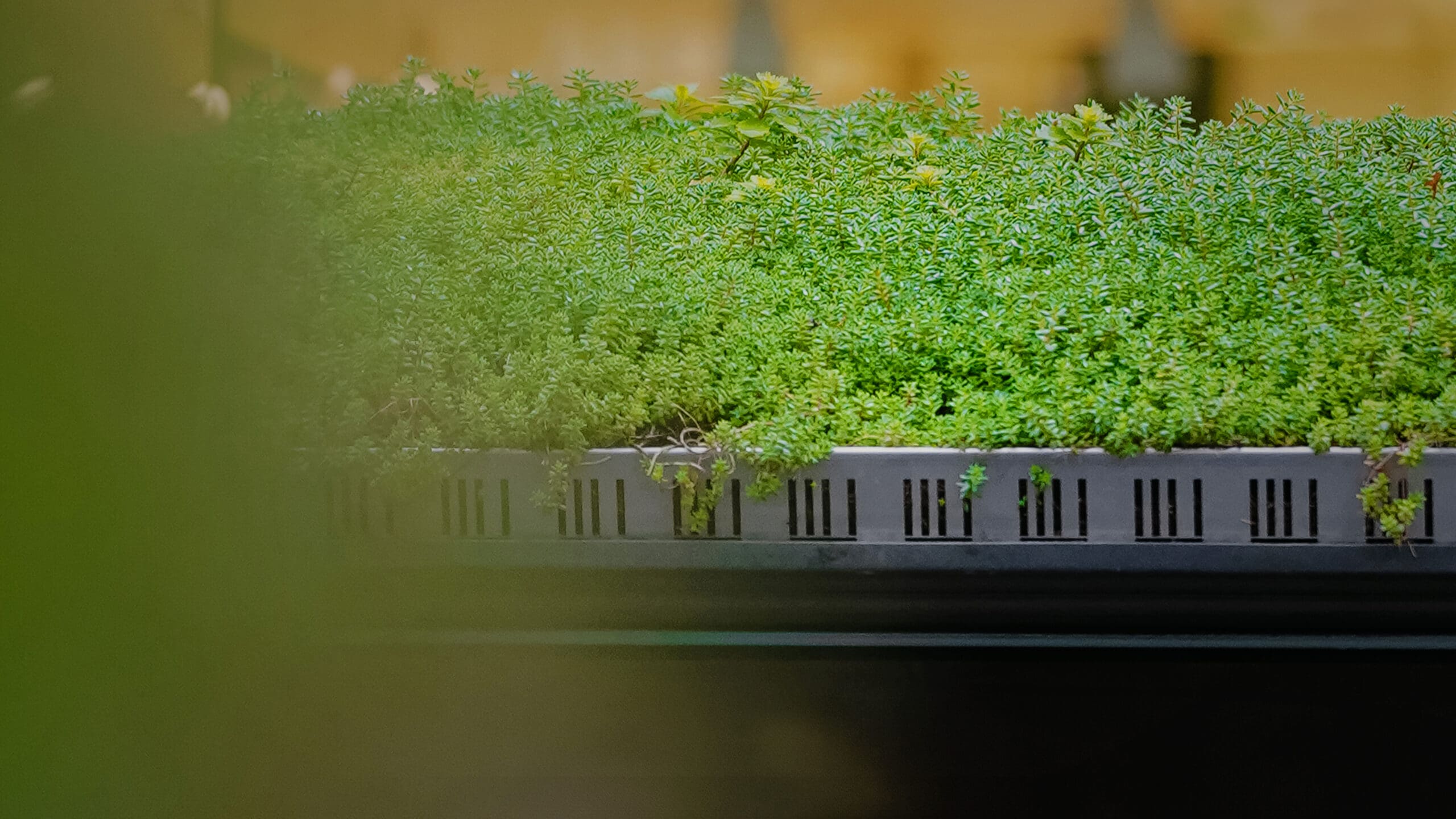
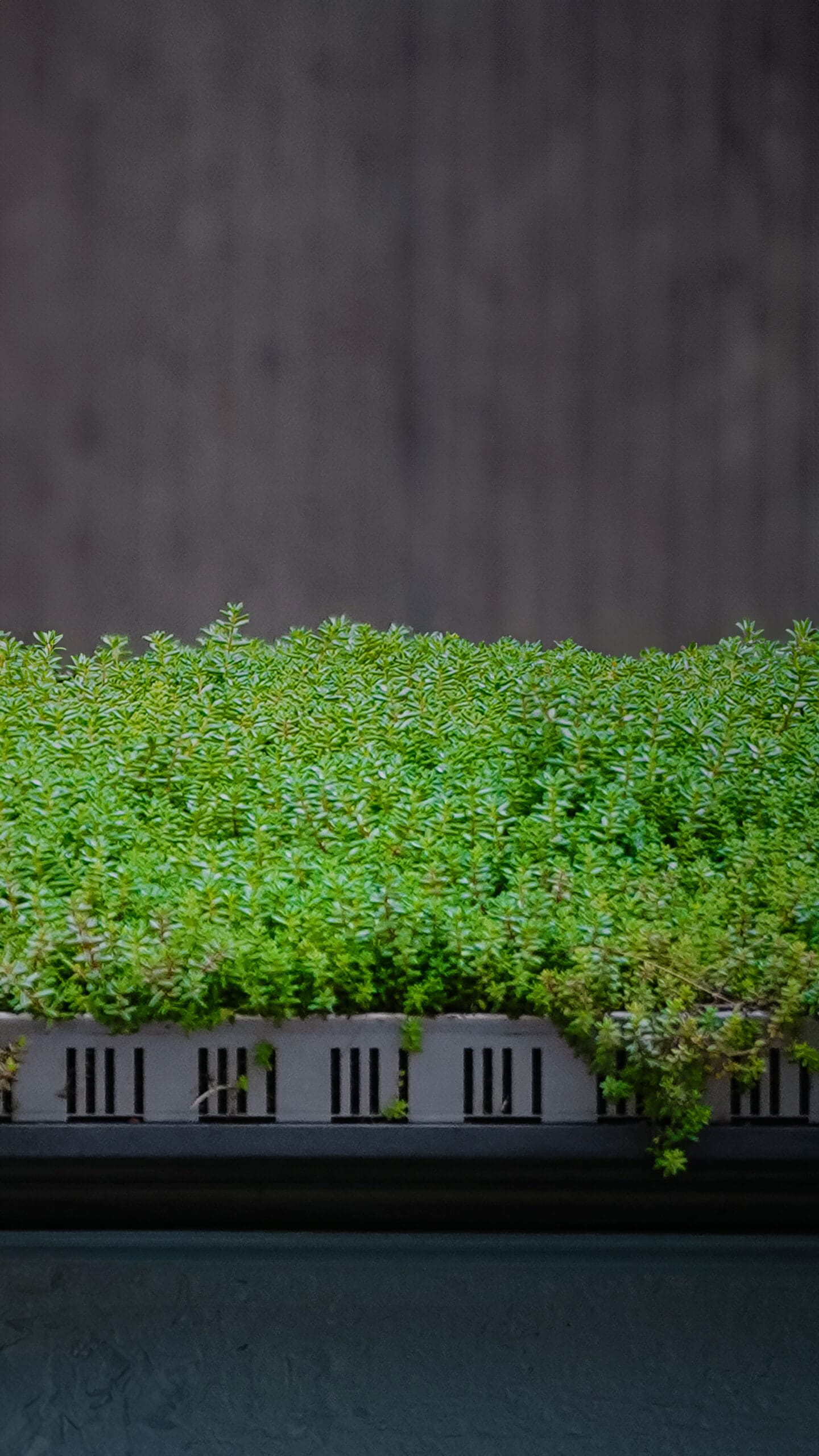
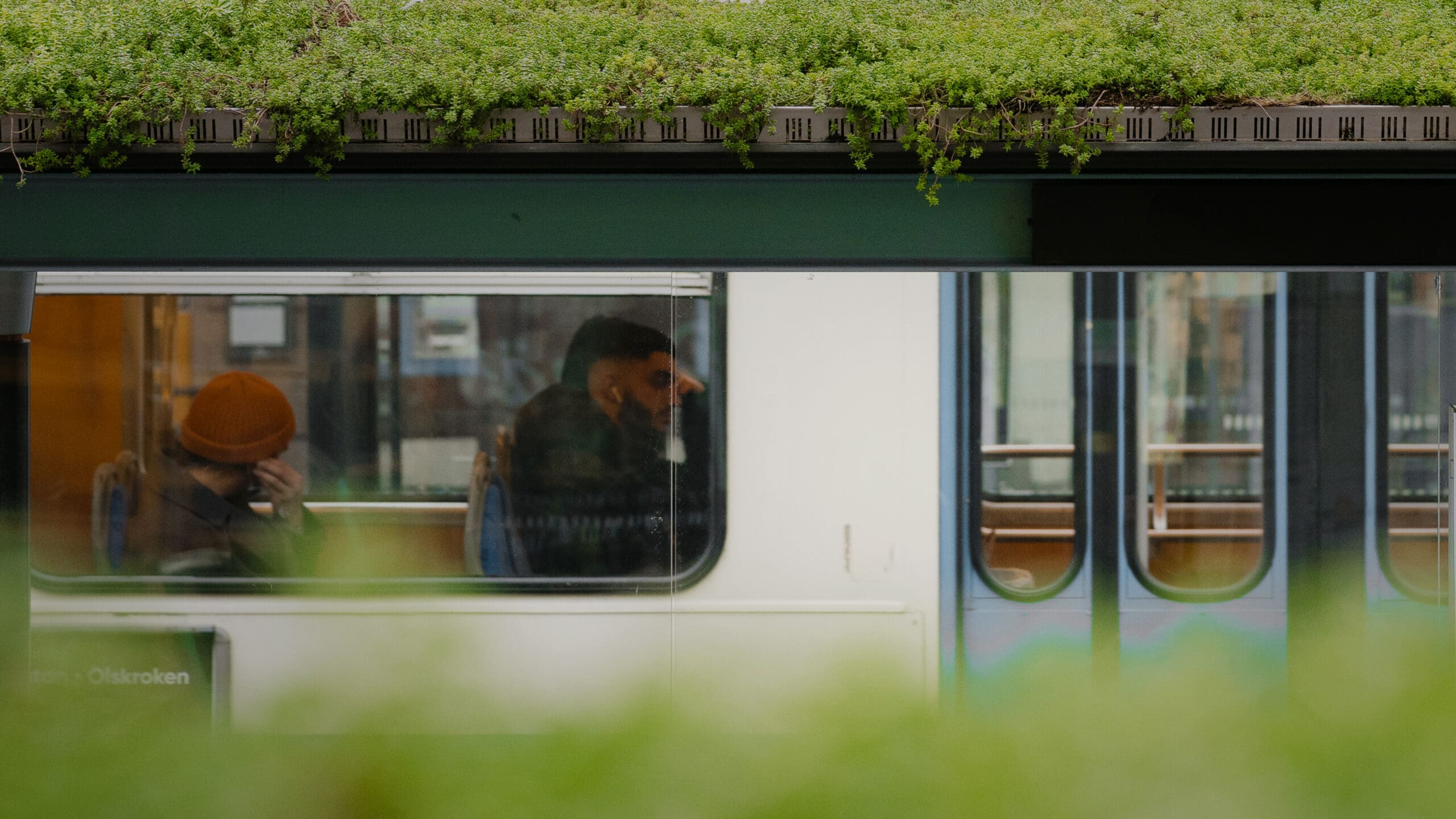
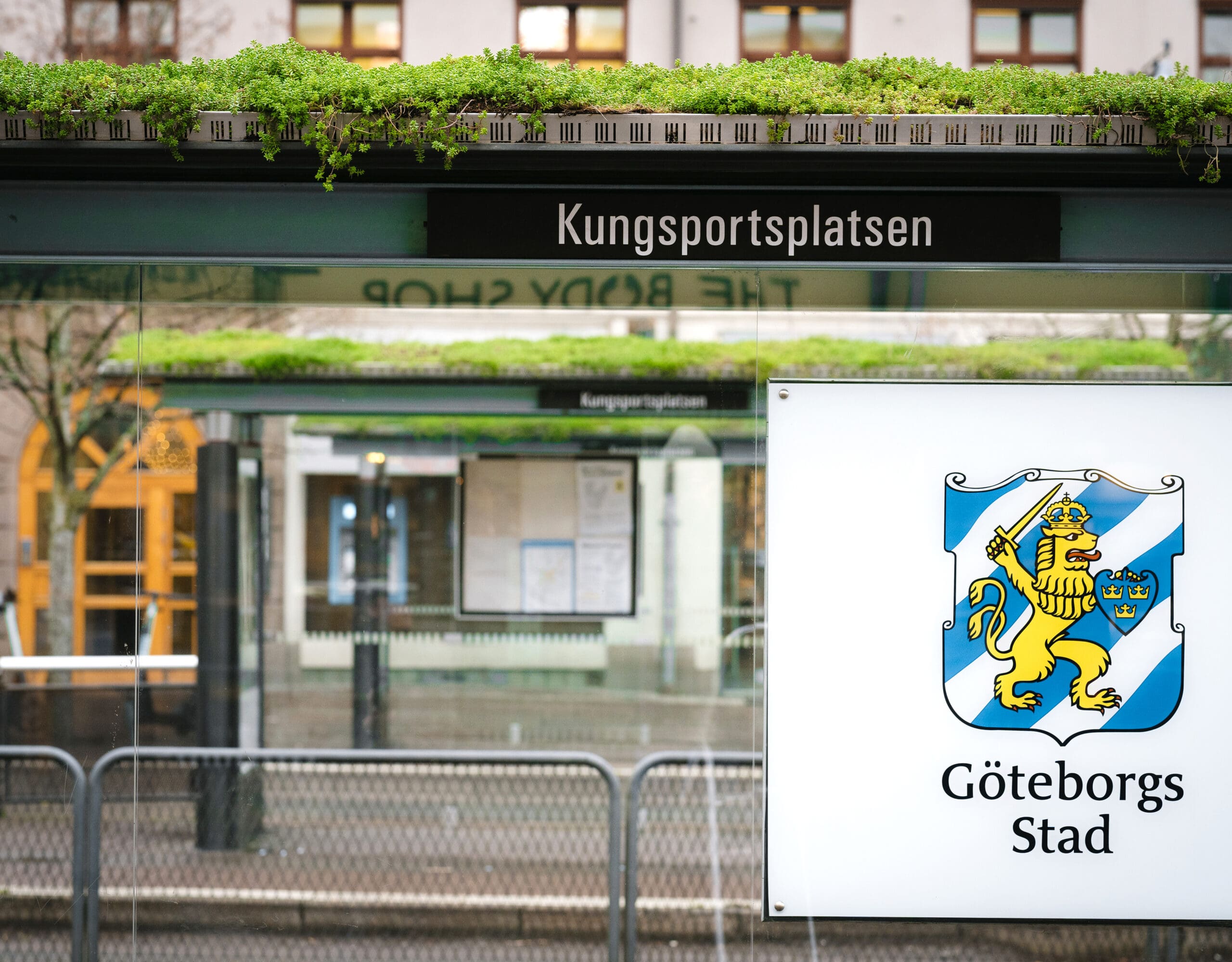
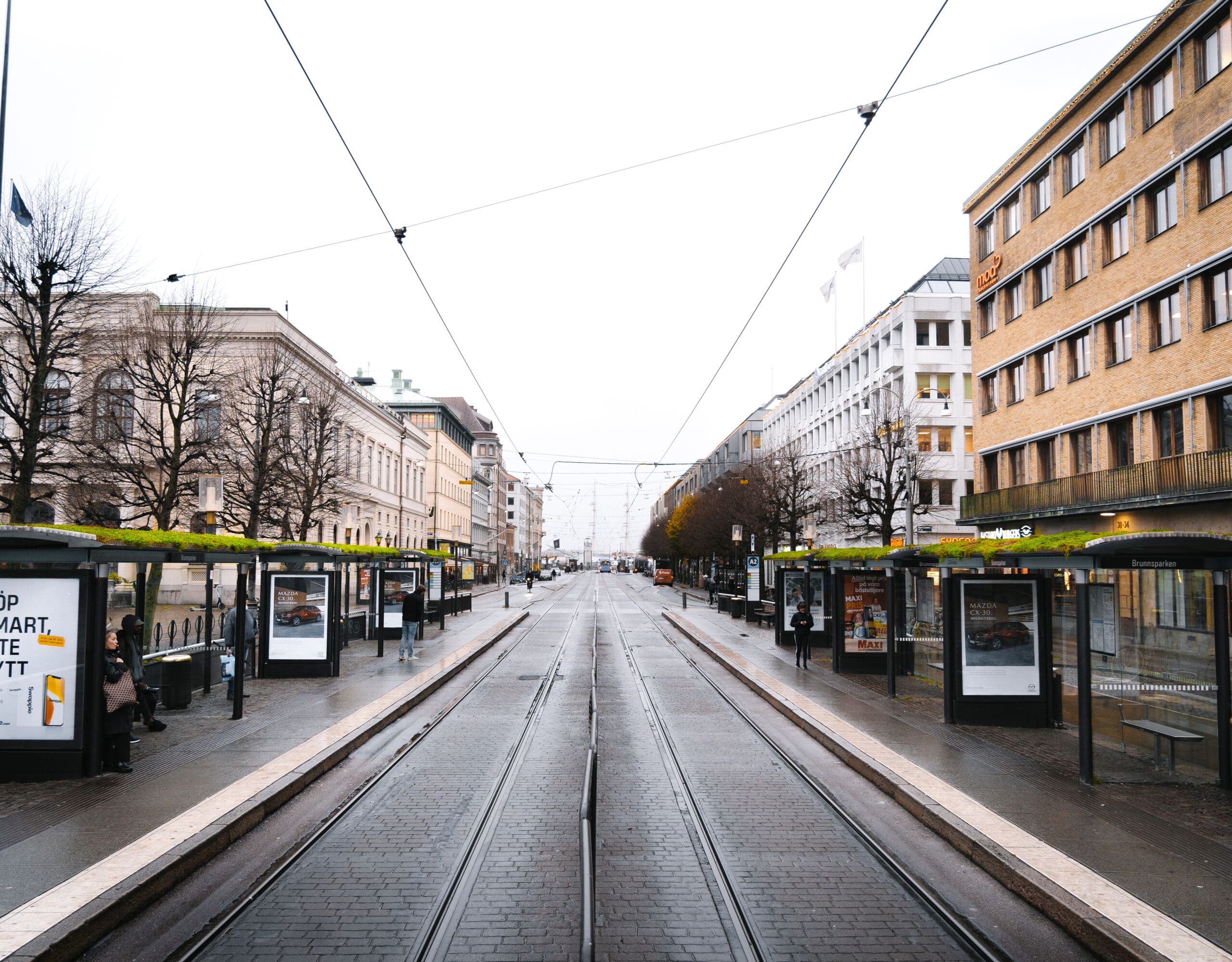
Sedum-covered roof on JCDecaux bus shelters combine visibility, functionality, and sustainability. The roof vegetation dampens noise, absorbs exhaust gases, and reduces the risk of flooding on the streets, where a 6 m² sedum roof can bind up to 100 liters of water. Bus shelters with sedum create both protection and life in the city, where design and care go hand in hand. Communicate thoughtfully, in places where people actually pause.

Sedum-covered roofs

Sedum-covered roof on JCDecaux bus shelters combine visibility, functionality, and sustainability. The roof vegetation dampens noise, absorbs exhaust gases, and reduces the risk of flooding on the streets, where a 6 m² sedum roof can bind up to 100 liters of water. Bus shelters with sedum create both protection and life in the city, where design and care go hand in hand. Communicate thoughtfully, in places where people actually pause.

Sedum-covered roofs

Sedum-covered roof on JCDecaux bus shelters combine visibility, functionality, and sustainability. The roof vegetation dampens noise, absorbs exhaust gases, and reduces the risk of flooding on the streets, where a 6 m² sedum roof can bind up to 100 liters of water. Bus shelters with sedum create both protection and life in the city, where design and care go hand in hand. Communicate thoughtfully, in places where people actually pause.

Sedum-covered roofs

Sedum-covered roof on JCDecaux bus shelters combine visibility, functionality, and sustainability. The roof vegetation dampens noise, absorbs exhaust gases, and reduces the risk of flooding on the streets, where a 6 m² sedum roof can bind up to 100 liters of water. Bus shelters with sedum create both protection and life in the city, where design and care go hand in hand. Communicate thoughtfully, in places where people actually pause.

Sedum-covered roofs

Sedum-covered roof on JCDecaux bus shelters combine visibility, functionality, and sustainability. The roof vegetation dampens noise, absorbs exhaust gases, and reduces the risk of flooding on the streets, where a 6 m² sedum roof can bind up to 100 liters of water. Bus shelters with sedum create both protection and life in the city, where design and care go hand in hand. Communicate thoughtfully, in places where people actually pause.

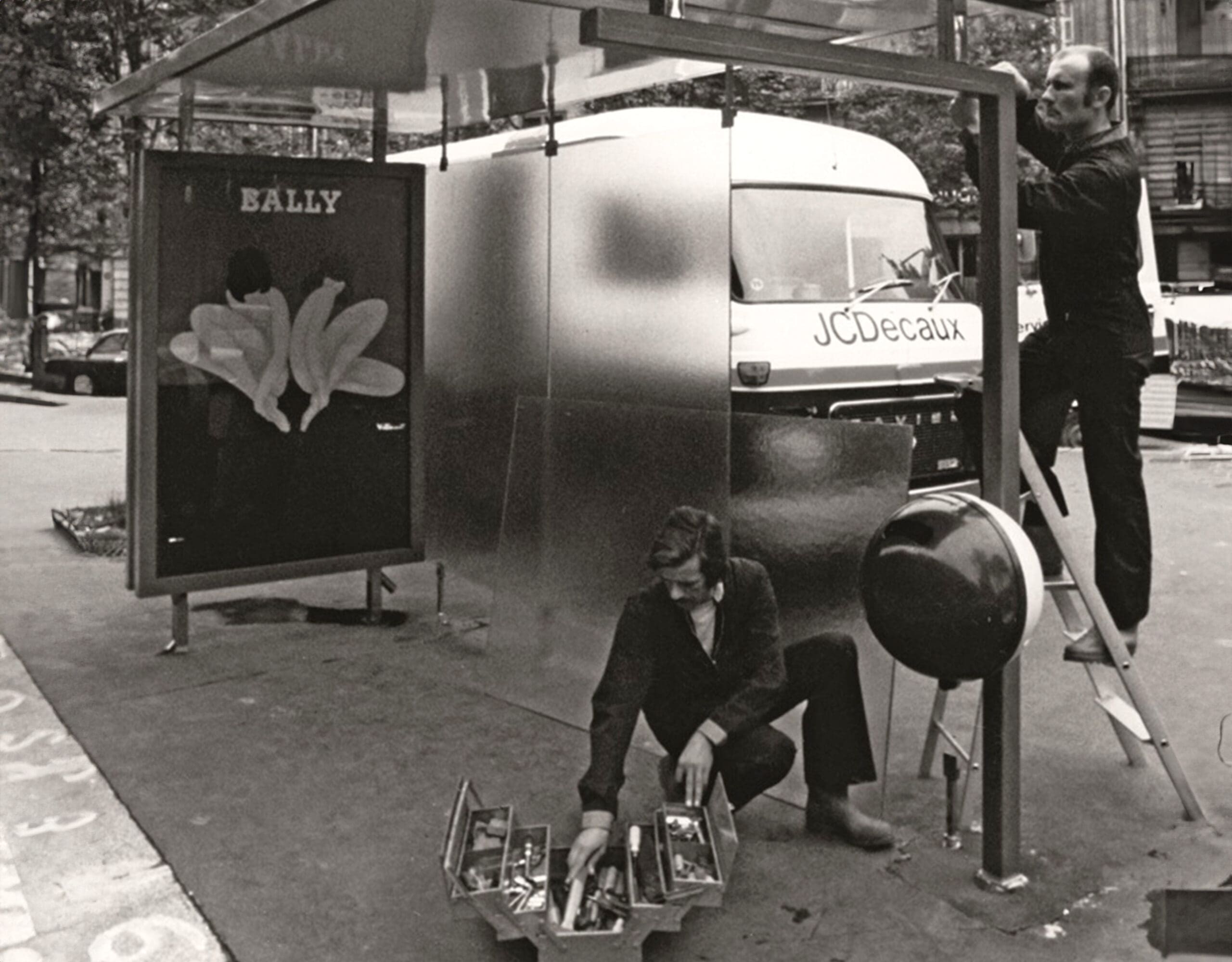
In 1964, JCDecaux invented the first designed bus shelter with integrated advertising display, benefiting public transport passengers.


We Ensure Everything
is Clean and Tidy

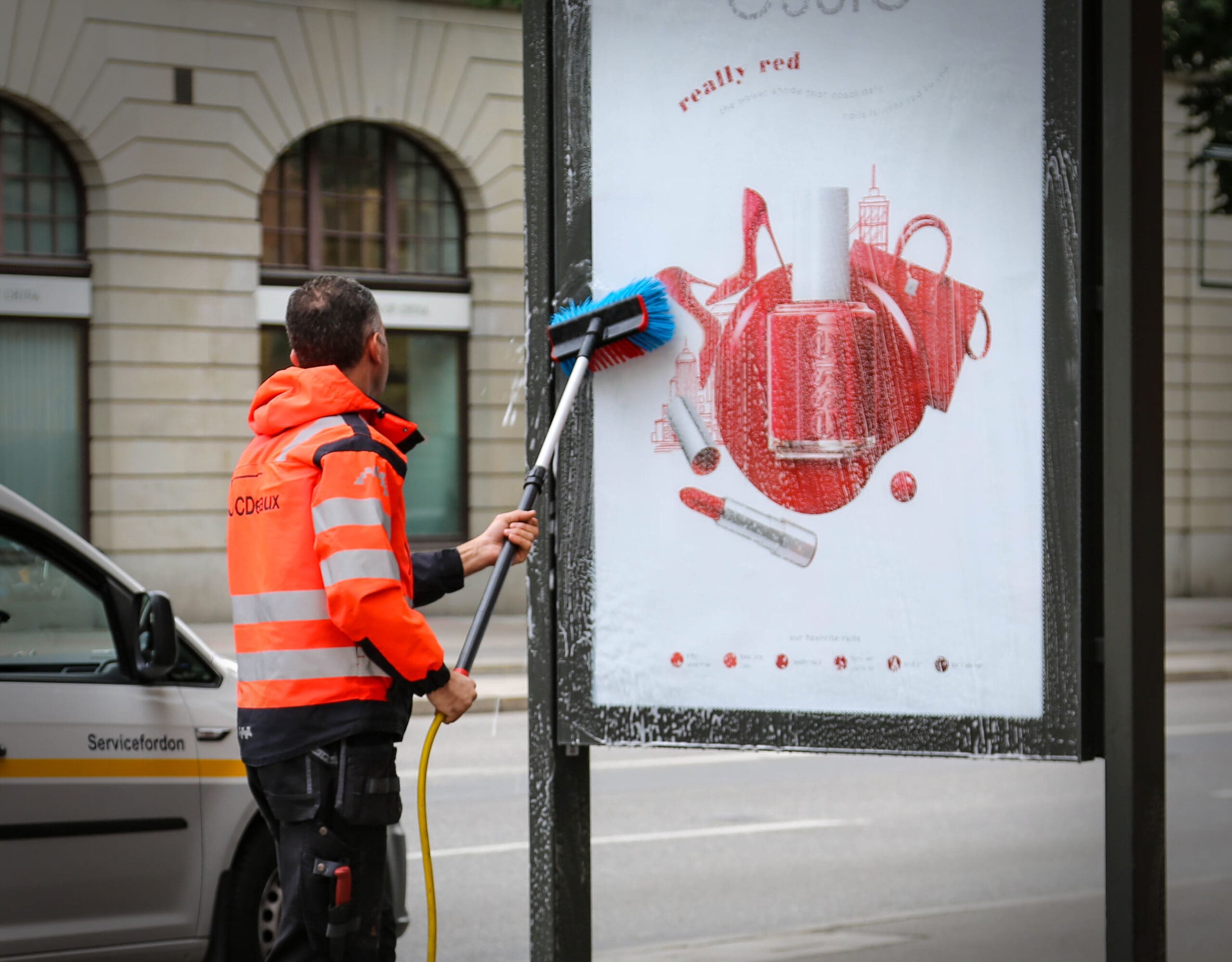
Every day, we clean, repair, and maintain our outdoor formats and street furniture so that everything looks good and functions perfectly. Today, we are nearly 12,000 people working at JCDecaux worldwide.