There's Always Something Happening Here!

We gather the latest in OOH, DOOH, and prDOOH, from new formats and campaign ideas to trends, measurements, and industry events. Using cities as a platform, we share perspectives and knowledge that help you create communication that stands out, gets noticed, and truly makes a difference.

Subscribe to our newsletter here!

Welcome to our hub for news, insights, and events. Here, we share current observations, analyses, and inspiration from our network in Sweden and around the world. Whether you work in strategy, creativity, or media buying, you’ll find content that offers new perspectives and ideas.

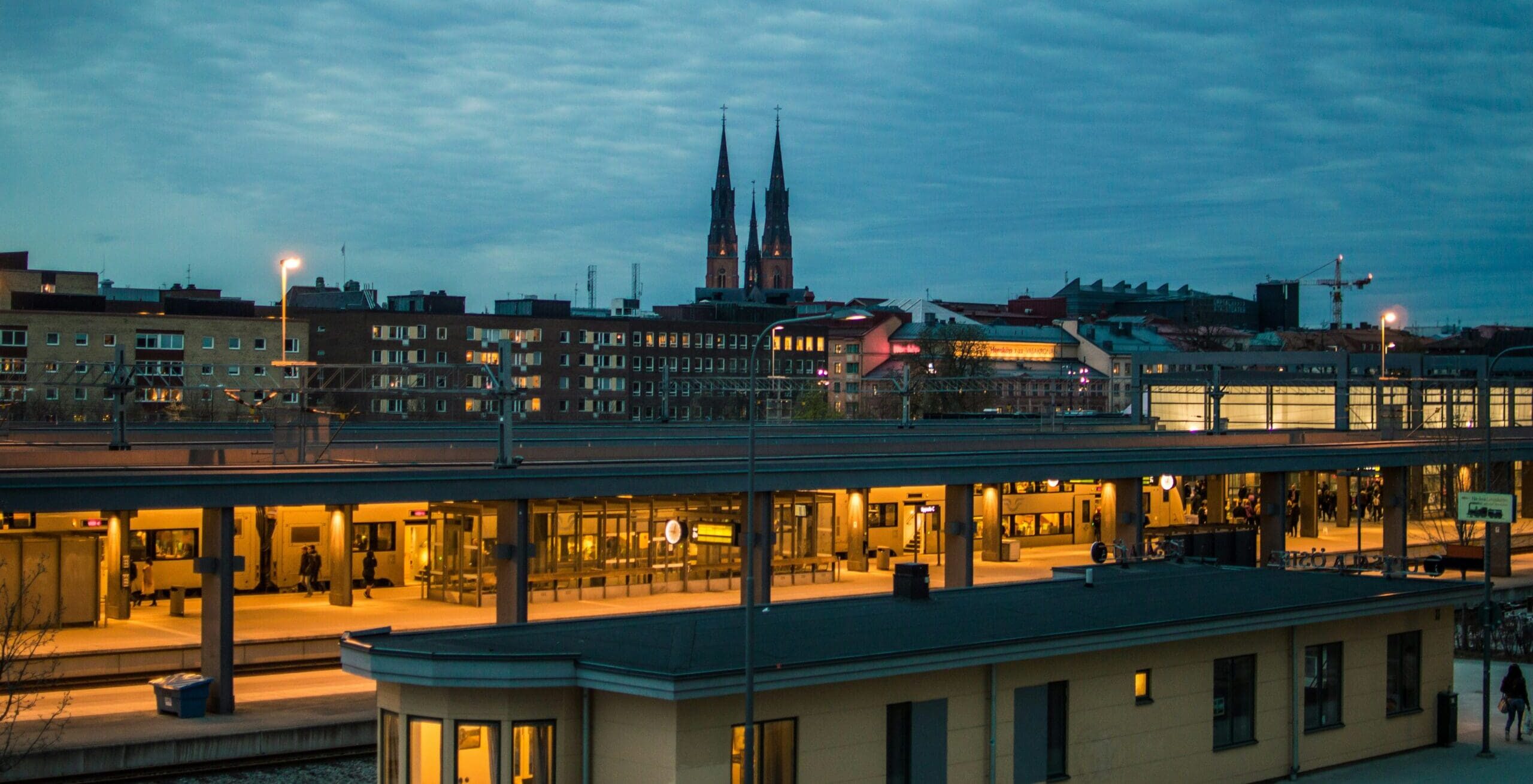
  • JCDecaux secures strategic contract with Region Uppsala – strengthening its presence in Sweden’s fourth largest city

    Nyhet

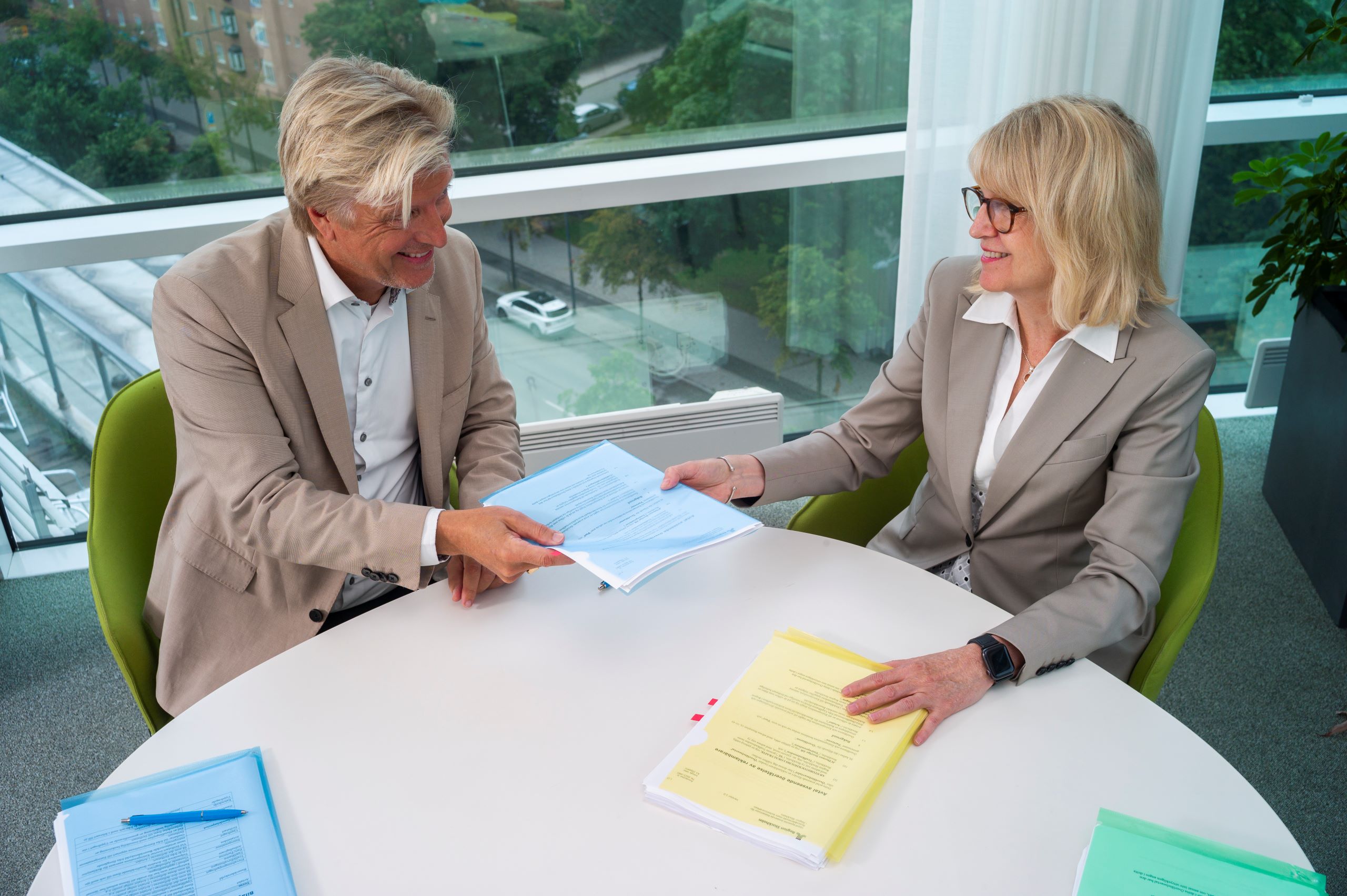
    JCDecaux, Sweden’s leading outdoor advertising company, has won the public tender for advertising in bus shelters across the Uppsala Region. The five-year agreement, commencing on 1 February 2026, further strengthens JCDecaux’s presence in Sweden’s 25 largest cities and offers advertisers unrivalled access to some of the country’s most affluent and hard-to-reach audiences.

    Under the agreement, JCDecaux has been granted the exclusive rights to manage advertising spaces in Region Uppsala’s bus shelters. Uppsala, Sweden’s fourth largest city, represents a strategically important market characterised by its two universities, a young and highly educated population, and strong purchasing power.

    The contract includes approximately 200 advertising faces across 100 shelters. This partnership complements JCDecaux’s existing national network, further expanding the company’s reach in Sweden’s key economic regions.

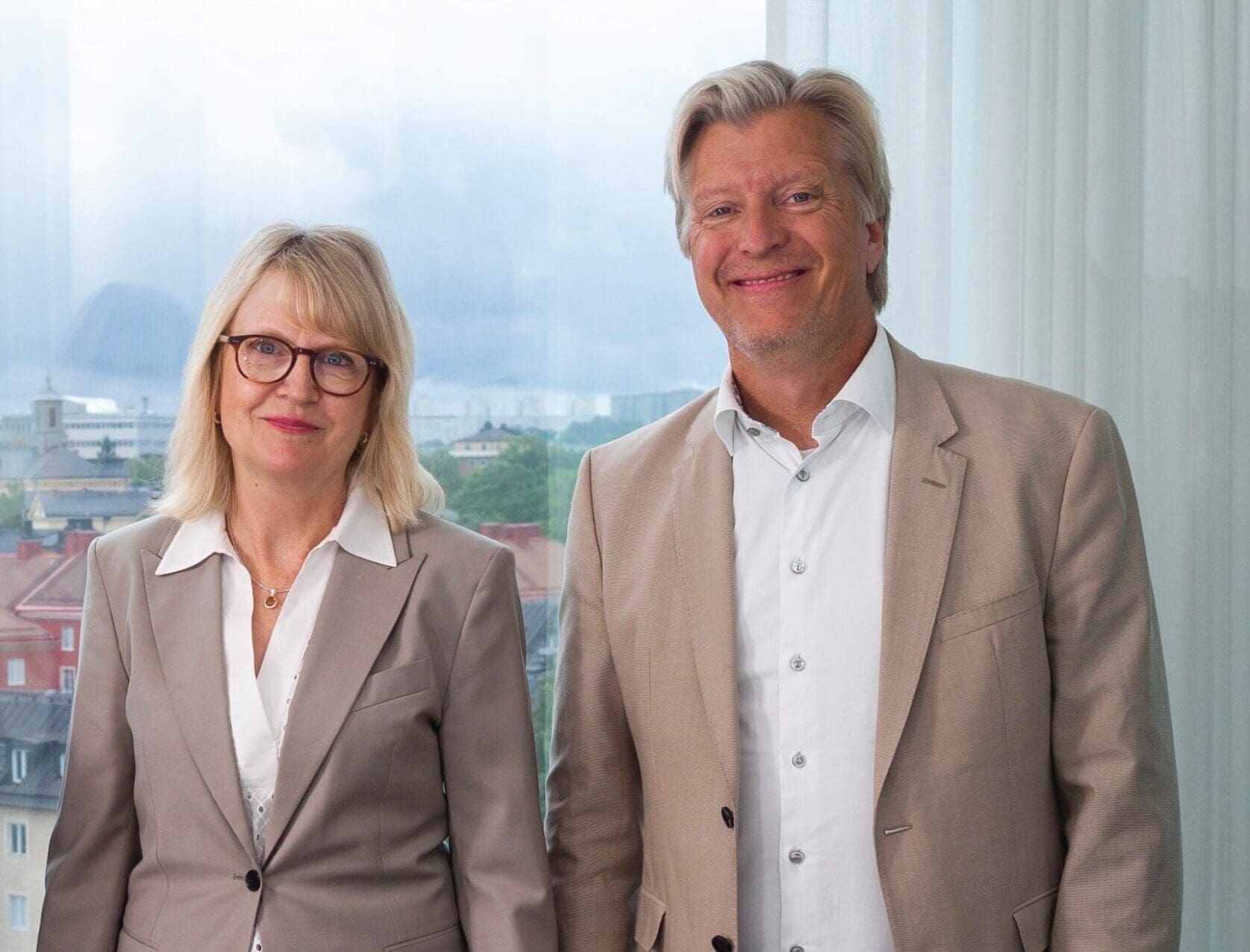
    Sales Director Cecilia Ottobre sees significant opportunities in the newly awarded contract:

    “Together with our networks in Sweden’s 25 largest cities, we can now offer advertisers even broader reach in the regions where people live, travel and shop the most. Uppsala is an exceptionally important market for our clients, and we look forward to working closely with Region Uppsala to develop the outdoor medium and deliver an attractive product that truly drives business impact in one of Sweden’s most dynamic regions.”

    For more information, please contact:
    Malin Otterström
    Head of Communications, JCDecaux Sweden

    Photographer: Oscar Ekholm, Unsplash

  • ROI, ROAS, and ROMI – what is the difference, and which one should you use?

    ROI, ROAS, and ROMI: What is the difference, and which one should you use?

    When allocating budgets across OOH, DOOH, search, social, TV, and retail, three acronyms quickly become central: ROI, ROAS, and ROMI. They may sound similar, but they measure different things, and your choice of metric can determine whether out-of-home advertising is viewed as a cost or as one of the most powerful engines in your media mix.

    Below, we break down the differences, how to calculate them, and when each metric is most useful in an OOH/DOOH-driven media strategy.

    1. ROI: The big picture of the business

    What is it?

    Return on Investment (ROI) measures the total return on an investment: how much profit you get back in relation to what you have invested. It is used widely in general business and finance, not just in marketing.

    • Formula: (Profit – Cost) / Cost

    How does it relate to OOH/DOOH?

    When looking at ROI, you want to see how the entire marketing budget contributes to results, not just the “last click” from a digital ad. OOH often plays a larger role than “last-click” models reveal:

    • OOH builds mental availability and demand, which is subsequently captured via search, programmatic, social, and in-store.

    • Studies from the OAAA show that reallocating even a small portion of an existing budget to OOH can result in clear gains in both sales ROI and brand metrics without increasing total spend.

    When to use it:

    • To evaluate the entire marketing effort from a business perspective.

    • When communicating with a CFO or management to show how marketing budgets impact results and profitability.

    • When optimizing the media mix at the portfolio level (e.g., how much to spend on OOH/DOOH compared to other channels).

    2. ROAS: Sharpness at the channel level

    What is it?

    Return on Ad Spend (ROAS) focuses on revenue per ad dollar, usually within a specific channel or campaign. It is the most common metric in digital marketing.

    • Formula: Revenue from campaign / Ad spend

    • Note: ROAS does not account for costs outside of the media buy (e.g., staff, tech, agency fees).

    How does it relate to OOH/DOOH?

    OOH and DOOH often influence the ROAS of other channels more than their own “on-paper” channel ROAS:

    • OAAA analysis shows that when a portion of TV and digital budgets is shifted to OOH, both ROAS and brand metrics rise, as campaigns reach an optimal efficiency level rather than over-investing in the same saturated digital surfaces.

    • Analysts often find that OOH-exposed areas show higher search and social ROAS, simply because more people are already aware of the brand when they encounter a digital ad later.

    When to use it:

    • To compare how different channels perform in pure revenue per media dollar.

    • When optimizing tactical investments within DOOH networks, paid search, or social.

    • To prove the “priming effect”: compare ROAS in areas where an OOH campaign is active versus control areas without OOH support.

    3. ROMI: The Marketing Manager’s favorite metric

    What is it?

    Return on Marketing Investment (ROMI) is essentially the ROI of marketing. The focus is on the profit or contribution generated by marketing initiatives after deducting marketing costs.

    • Formula: (Profit from marketing – Marketing cost) / Marketing cost

    • ROMI is often used alongside Marketing Mix Models (MMM) and incremental testing to compare everything from brand campaigns in OOH to “always-on” search.

    How does it relate to OOH/DOOH?

    OOH/DOOH provides both short-term and long-term contributions:

    • Short-term: Campaign-driven sales lifts in exposed areas.

    • Long-term: Stronger brand equity, higher preference, and higher conversion rates across all channels.

    • To capture the true contribution of OOH, you need the ROMI perspective, where both brand impact and sales are accounted for. International studies (e.g., Omnicom/Benchmarketing) suggest that an optimized OOH share in the media mix provides superior ROMI precisely because the effect spills over into other channels.

    When to use it:

    • To prioritize major strategic initiatives: e.g., “national OOH launch” vs. “increased always-on budget in social.”

    • When building business cases to increase the OOH/DOOH share in the mix.

    • To balance short-term performance with long-term brand building.

    Comparison Table: Which one should you choose?

    Metric Answers the question Level of focus Best for OOH/DOOH
    ROI How profitable is the total investment? Corporate/Portfolio Demonstrating OOH’s role in the total business.
    ROAS How much revenue per ad dollar? Channel/Campaign Optimizing specific sites or showing how OOH boosts digital ROAS.
    ROMI How much profit does marketing generate? Total Marketing Prioritizing strategic bets and justifying OOH investments.

    Conclusion: Choose the metric based on the decision

    • Use ROAS when optimizing tactical buys and demonstrating how OOH/DOOH improves performance in other channels.

    • Use ROMI when allocating the marketing budget and proving the value of OOH/DOOH in the media mix.

    • Use ROI when connecting marketing to the company’s overall profitability.

    By combining these three perspectives, you gain a fairer picture of out-of-home advertising—not as an isolated line item in a report, but as a key component that elevates the effectiveness of the entire media ecosystem.

    Relaterade insights

    View all
  • DSP, SSP, and Ad Exchanges – The Roles in the Programmatic Ecosystem

    Programmatic OOH/DOOH – How It Works

    Programmatic outdoor advertising means that DOOH is purchased and optimized through the same type of technical ecosystem already utilized for other digital advertising. In practice, it involves three core components working together: the DSP, the SSP, and Ad Exchanges. Together, they manage how digital advertising inventory is made available, sold, and linked to campaign goals. Major industry players such as AdQuick, Vistar Media, Broadsign, VIOOH, and global DSPs like The Trade Desk describe programmatic DOOH in precisely these terms.

    Source: AdQuick – “The Complete Guide to Programmatic DOOH Advertising”

    DSP (Demand-Side Platform): Where the buyer manages the campaign

    A DSP is the tool where advertisers or agencies plan, manage, and purchase programmatic outdoor advertising. Within the DSP, users:

    • Set target audiences, budgets, frequency caps, and campaign goals.

    • Select relevant DOOH environments, such as Digisize (above or below ground) or MetroVision—Europe’s largest digital format in a subway environment.

    • Determine the bids to be placed on specific DOOH impressions (time slots + screens).

    In our Swedish prDOOH offering, JCDecaux’s digital street furniture network is accessible via several established DSPs, including:

    • Adform: A European full-stack platform with a strong Nordic presence, commonly used for display, video, and DOOH.

    • Blis: A platform focused on location and movement data with a built-in DSP for targeted, location-based advertising, including DOOH.

    • BidTheatre: A Swedish DSP focused on programmatic display, video, and DOOH, popular among Nordic agencies and advertisers.

    • Displayce: A specialized European DOOH-DSP focused on aggregating premium DOOH inventory programmatically.

    • DV360 (Display & Video 360): Google’s enterprise DSP, widely used by international agency networks and advertisers for display, video, CTV, and DOOH.

    • Hawk: A European omnichannel DSP with a strong focus on location data, audio, and DOOH.

    • Perion: A global ad-tech player (including Undertone and formerly Hivestack) with solutions for programmatic DOOH and other digital channels.

    • The Trade Desk (TTD): One of the world’s largest independent DSPs, supporting display, video, CTV, audio, and DOOH.

    • Vistar Media: A DOOH-specialized player offering both a DSP and an SSP, with a focus on audience targeting and measurement in digital out-of-home environments.

    This allows both global and local agencies to purchase the same inventory within the platforms they already use for other programmatic buying. The industry identifies this “openness” as a key strength of programmatic DOOH: the advertiser can choose a DSP based on their specific tech stack, while DOOH inventory remains available in a standardized manner.

    Source: AdQuick – Examples of DSPs within programmatic DOOH

    SSP (Supply-Side Platform): Where the media owner packages their inventory

    An SSP is used by media owners to make their digital OOH inventory purchasable programmatically. Through the SSP:

    • Inventory is listed: which screens are available, and in which networks and environments.

    • Formats, placement, traffic flows, and other contextual data are described.

    • Floor prices and rules for inventory sales are established.

    The SSP ensures that the same impression is not sold twice. While a digital screen in a bus shelter, a digital billboard, or another DOOH surface may be exposed to many buyers, each individual impression is sold to only one winning bidder. Globally, SSPs such as VIOOH (JCDecaux’s proprietary programmatic platform) are used to connect premium DOOH inventory to a broad ecosystem of DSPs.

    Ad Exchanges: The marketplace in between

    Ad exchanges function as the hub between the DSP (the buy side) and the SSP (the sell side). Simply put, the flow looks like this:

    1. An impression (or a play block) on a DOOH surface becomes available.

    2. The SSP sends a request via the ad exchange to relevant DSPs.

    3. The DSPs calculate the value of the impression based on target audience, location, time, campaign budget, etc., and respond with a bid + potential creative variant.

    4. The highest qualified bidder wins, and the creative is delivered to the screen.

    Everything happens automatically and rapidly. While not in the same millisecond timeframe as mobile advertising, it occurs in real-time or within pre-defined play blocks that suit DOOH logic. Source: Broadsign – Coordinated programmatic DOOH standards

    What our Swedish prDOOH offering includes

    In Sweden, we offer a programmatic DOOH network featuring:

    • Approximately 270 digital surfaces in street furniture environments.

    • Around 460 million impressions per month.

    • Deal types including Programmatic Guaranteed, non-guaranteed PMPs, and Managed Services.

    • CPM levels starting from approximately 140 SEK, depending on selection and pressure.

    • Targeting based on network, city, geo-position, time of day, pre-targeting, and various triggers.

    The measurement currency is based on VAC (Visibility Adjusted Contacts) via Outdoor Impact 2.0, providing a standardized measure of visible contacts, which is crucial when comparing DOOH with other channels in a programmatic setup. We also collaborate with affiliated data partners such as Adsquare, Locala, and Happydemics to enable advanced audience targeting, measurement, and attribution, such as mobile-based movement patterns or pre/post-campaign brand studies. In addition to the purchasing logic, our network supports real-time DCO (Dynamic Creative Optimization), measurement, and attribution, allowing for dynamic management of both messaging and optimization throughout the campaign period.

    Implications for buyers and media owners

    For buyers, this means programmatic outdoor advertising can be managed with greater precision than traditional package purchasing. For example:

    • Selecting “select” sites in specific neighborhoods.

    • Combining different environments to optimize reach, frequency, and VAC.

    • Rapidly scaling pressure around a takeover period or campaign.

    • Optimizing during the campaign rather than locking everything in advance.

    For media owners, SSPs and exchanges mean that digital inventory reaches both local and global buyers while maintaining control over price floors, availability, and priorities. Case studies from entities like MediaCom/GroupM illustrate how programmatic DOOH purchases are used to combine reach with smart management, including through integrations between SSPs like VIOOH and DSPs like Hivestack.

    Source: MediaCom (GroupM) – “Why 2020 Was The Year Of Programmatic Outdoor”

    Relaterade insights

    View all
  • OOH vs DOOH: Their Roles, Strengths and When to Use Each

    OOH and DOOH: Two Sides of the Same Coin

    OOH vs DOOH is less about choosing one over the other, and more about how two closely related forms of out‑of‑home advertising can reinforce each other. Classic OOH refers to static formats – posters in shelters (bus shelter advertising), metro advertising, billboards and standalone panels – while DOOH is the digital screen‑based variant. Both are built on the same physical traffic flows and locations, but offer different possibilities in terms of messaging, control and measurement.

    OOH: The Stable Backbone

    Traditional analogue out‑of‑home comes into its own when the goal is stable, broad presence over a longer period of time. Static advertising in shelters, at bus stops, in the metro and on standalone sites provides constant exposure, around the clock, without being dependent on time scheduling or play‑out data.

    By building a network of OOH sites, you can secure high reach within clearly defined environments, with few moving parts and predictable costs. As a result, OOH often functions as the brand backbone of the campaign: it maintains recognition even when other channels move up and down in pressure.

    DOOH: Flexibility, Timing and Context

    Digital out‑of‑home is particularly powerful when timing, context and flexibility are critical. With DOOH you can control which creatives run, when and where – changing messages throughout the day, differentiating between weekdays and weekends, linking to local events or weather, and using prDOOH to optimise presence based on data.

    The same screen in a shelter can therefore play different roles over the course of a day: broad brand‑building messages in the morning, more tactical offers at lunchtime near restaurants or stores, and reminders of evening activities later on. DOOH makes it possible to weave out‑of‑home into the same data‑driven logic as other digital communication.

    When OOH and DOOH Work Together – with Clear Sources

    Many industry players highlight that the most effective approach is to combine OOH and DOOH rather than replace one with the other. Media.co.uk, for example, describes how the best solution is often to “combine both formats strategically and leverage their respective strengths to achieve a comprehensive outdoor presence” (What is Digital Out‑of‑Home Advertising | DOOH vs Traditional OOH).

    International agencies report similar patterns: static OOH builds broad awareness and gives the campaign structure, while DOOH drives engagement and enables more precise targeting and measurement (OOH vs DOOH Advertising: Key Differences and Benefits, via International Advertising Solutions). The common thread is that impact is greatest when the formats are treated as complements, not competitors.

    The Choice Depends on the Objective

    In practice, the choice between analogue and digital should start from what the campaign is meant to achieve:

    • If a launch is intended to create long‑term brand recognition across the city, static formats are often the most cost‑effective way to build broad presence over time.
    • If a retailer wants to drive traffic to specific stores within defined time windows – for example weekend promotions, lunchtime offers or evening events – DOOH is more suitable, as messages can be timed and adjusted based on performance.

    In many cases, it is the combination that delivers the best results. Analogue out‑of‑home secures breadth and continuity in the environments where the target audience moves, while DOOH is used where time relevance, data‑driven optimisation and rapid adjustments add extra value.

    From “OOH vs DOOH” to “OOH + DOOH”

    Once the roles are clearly defined, the question becomes less “OOH or DOOH?” and more “how should we size OOH + DOOH in the media mix?”. This aligns closely with how the market describes best practice: static OOH sites as the robust foundation, digital OOH screens as the agile, data‑driven spearhead. Together, they provide both structure and flexibility – and help out‑of‑home deliver its full potential.

    Relaterade insights

    View all
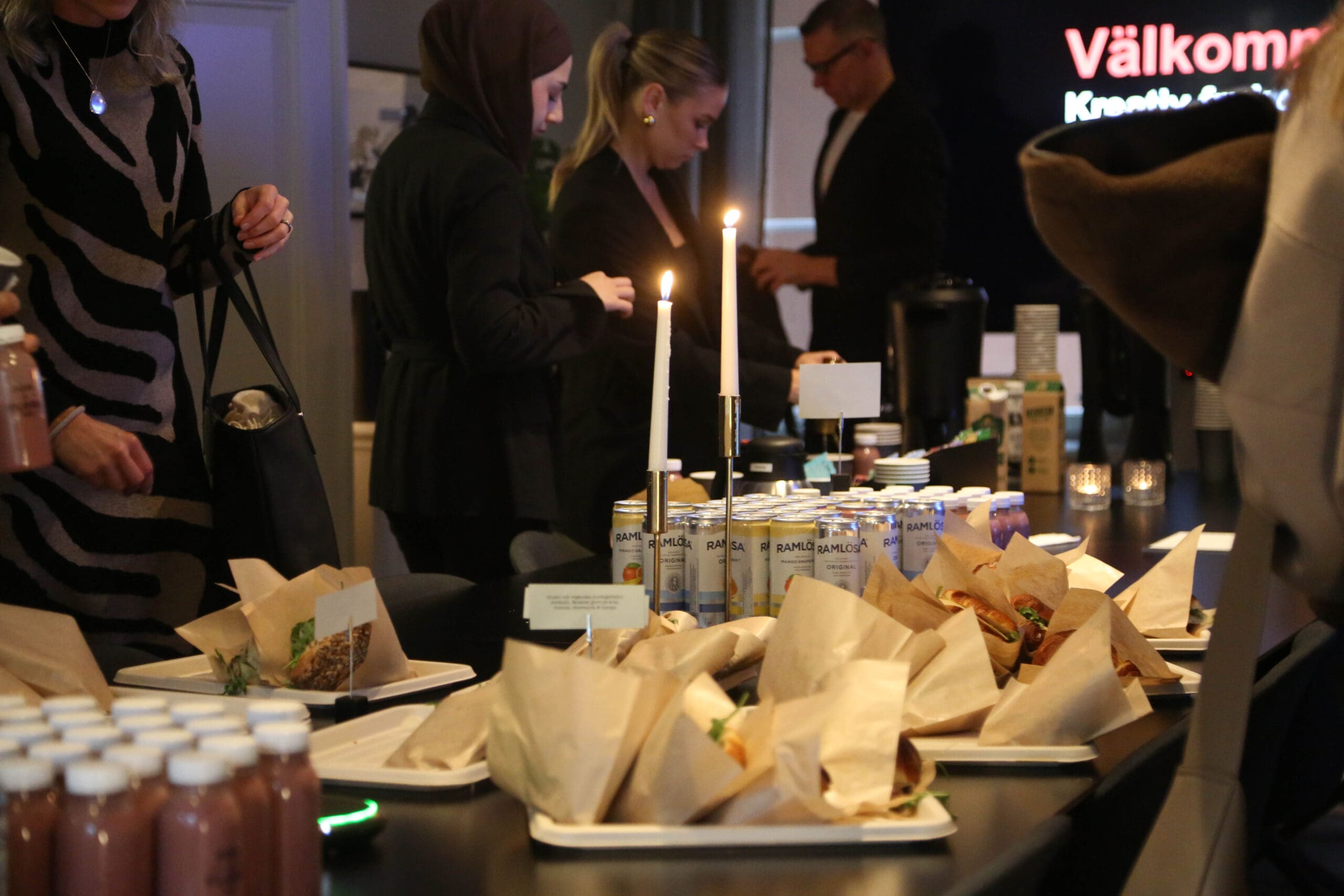
  • Creative breakfast with Sveriges Annonsörer

    Nyhet

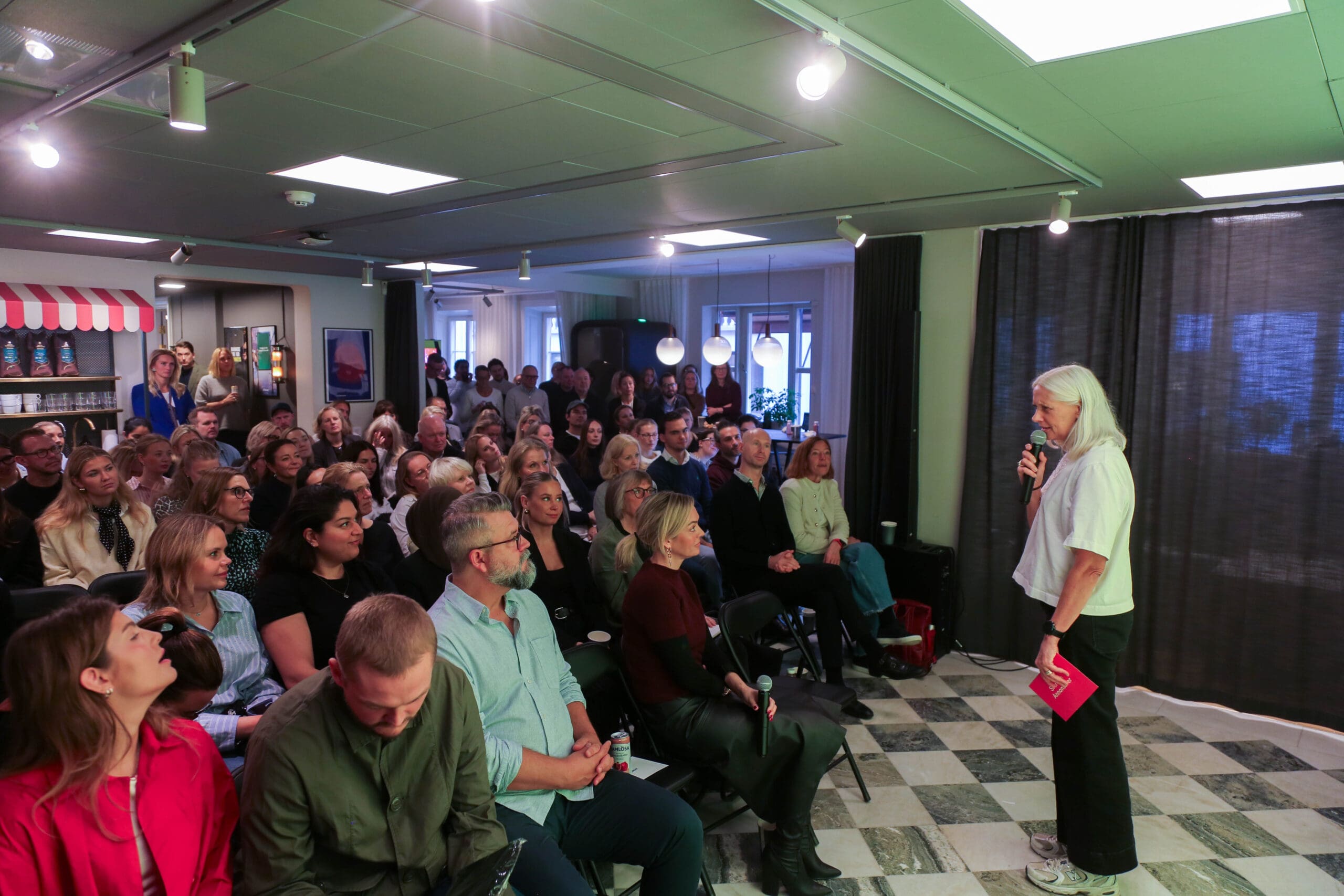
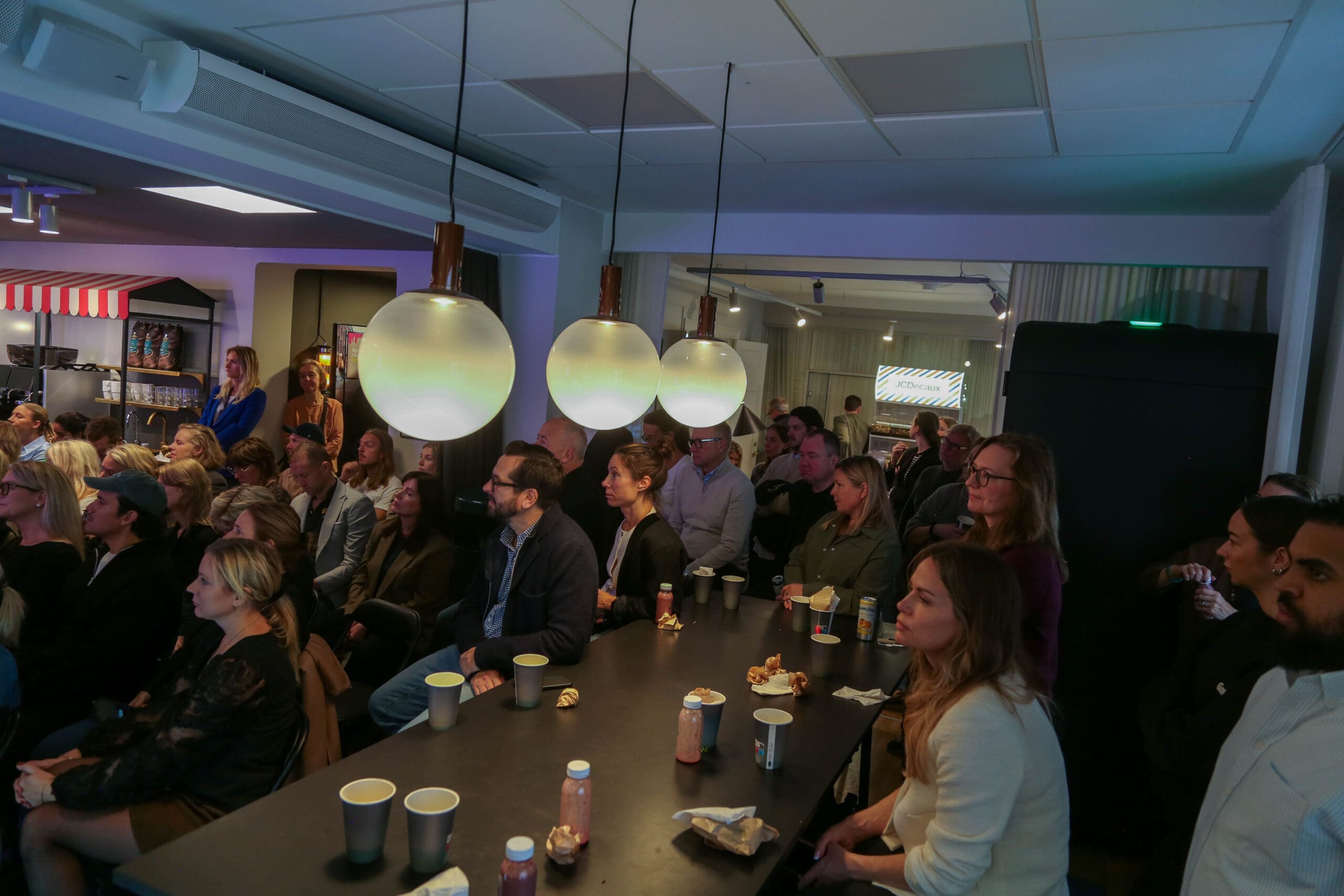
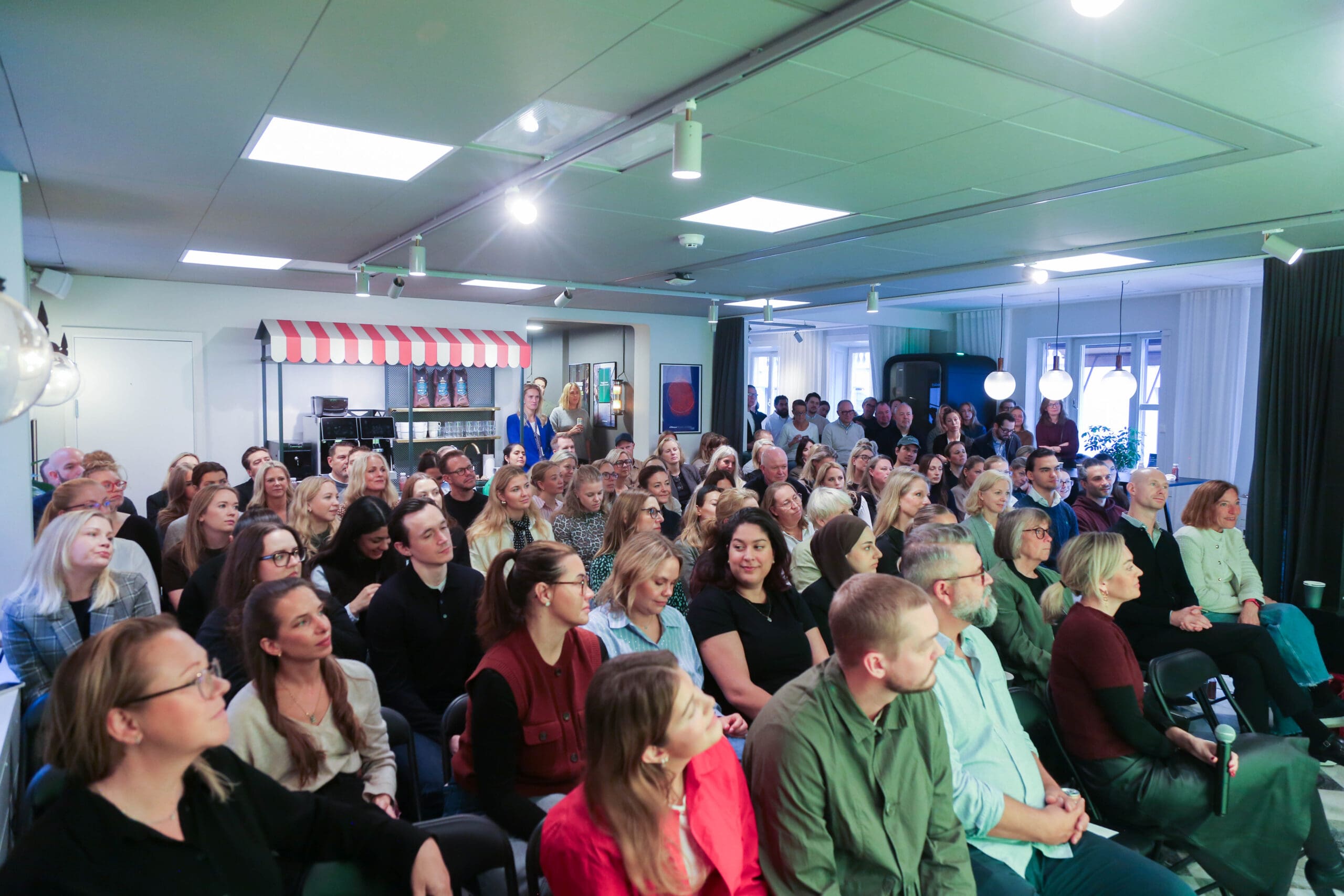
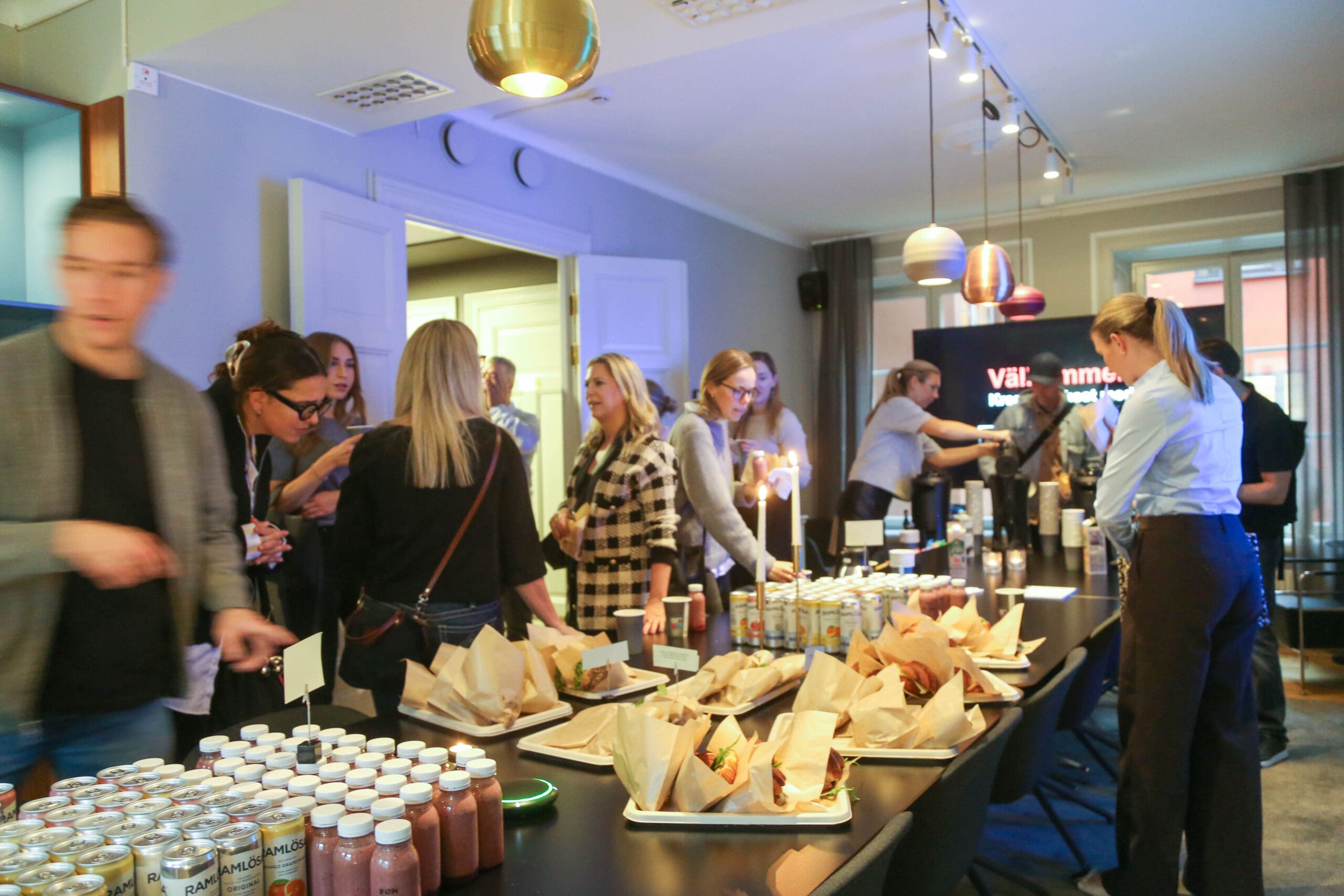
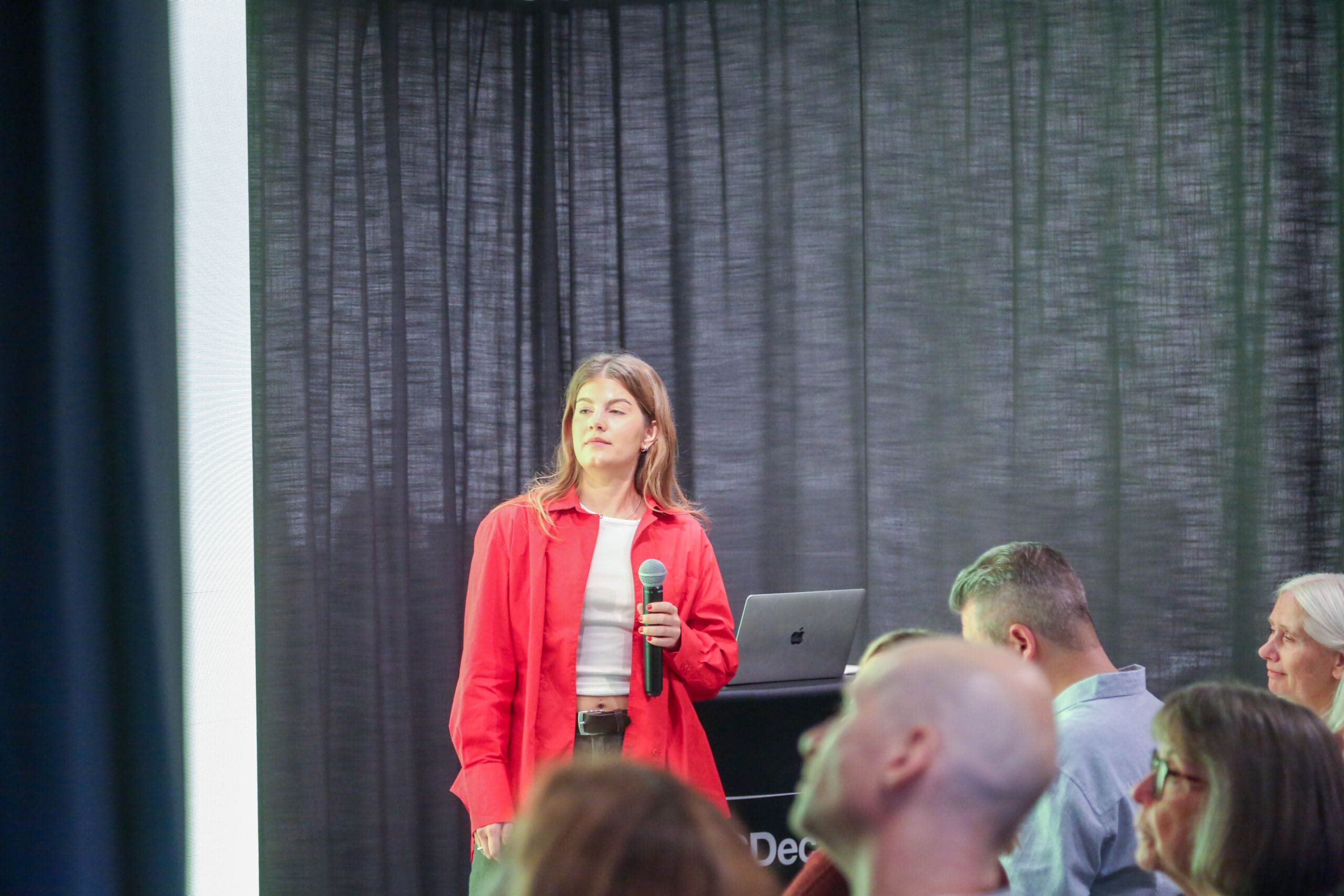
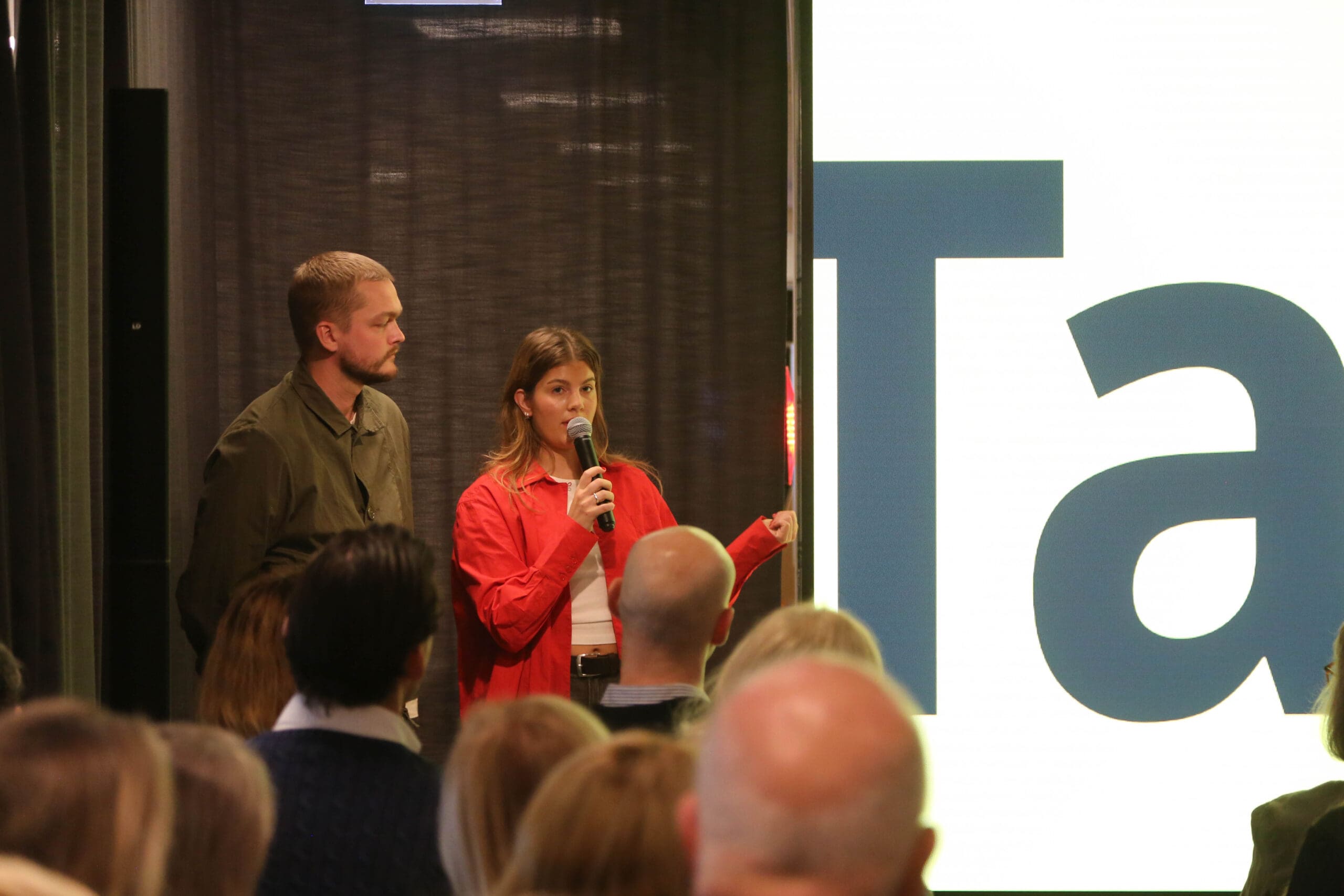
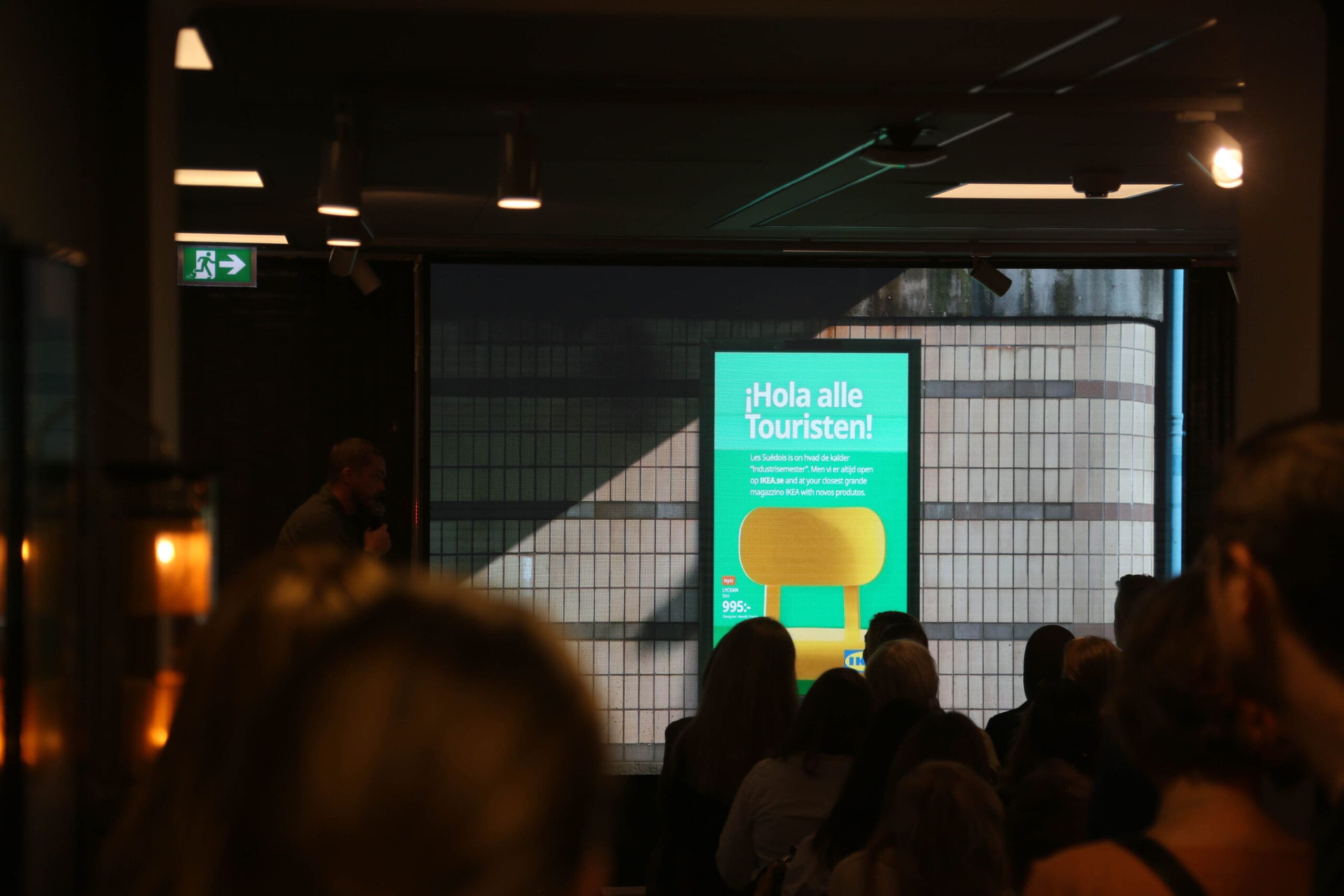
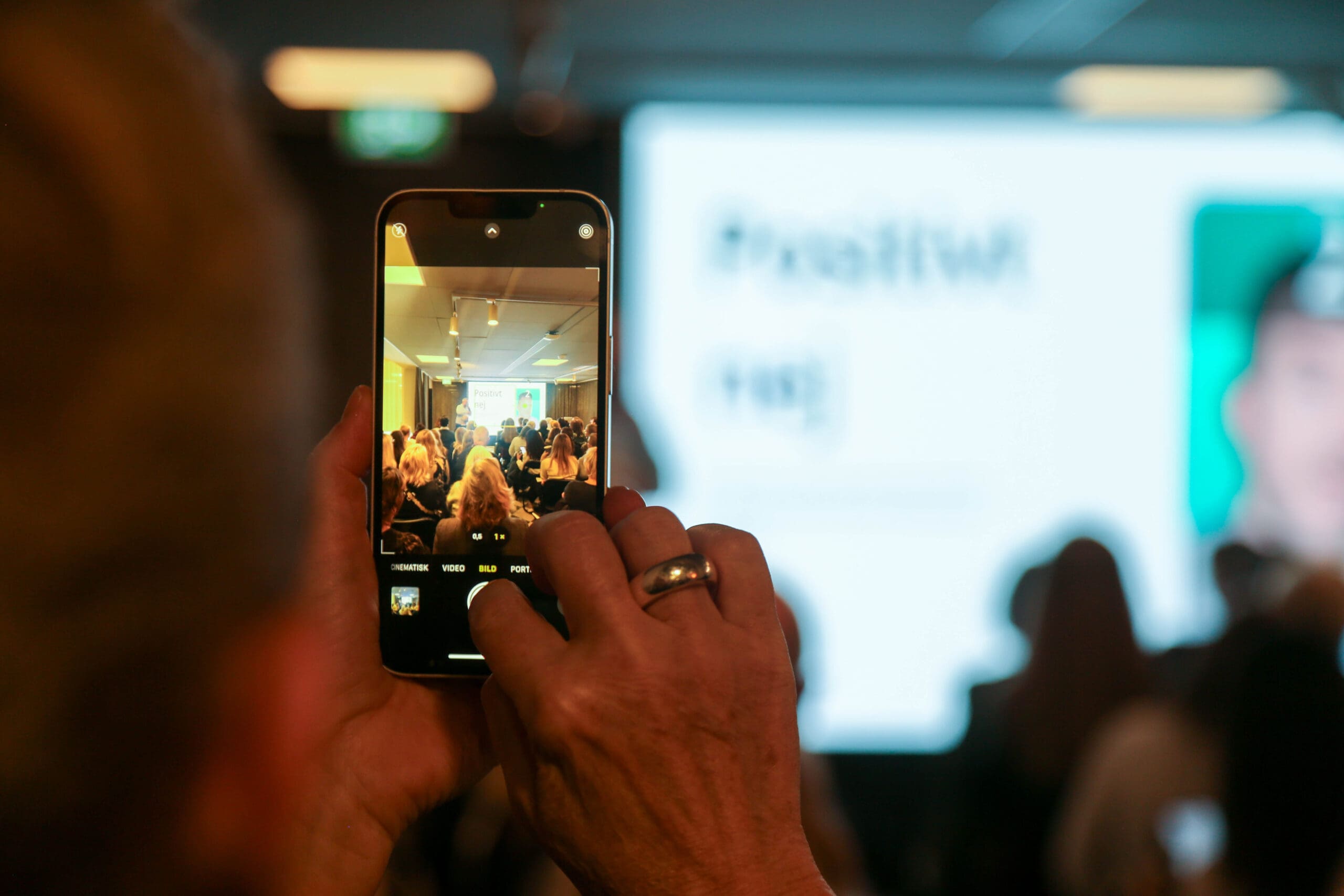
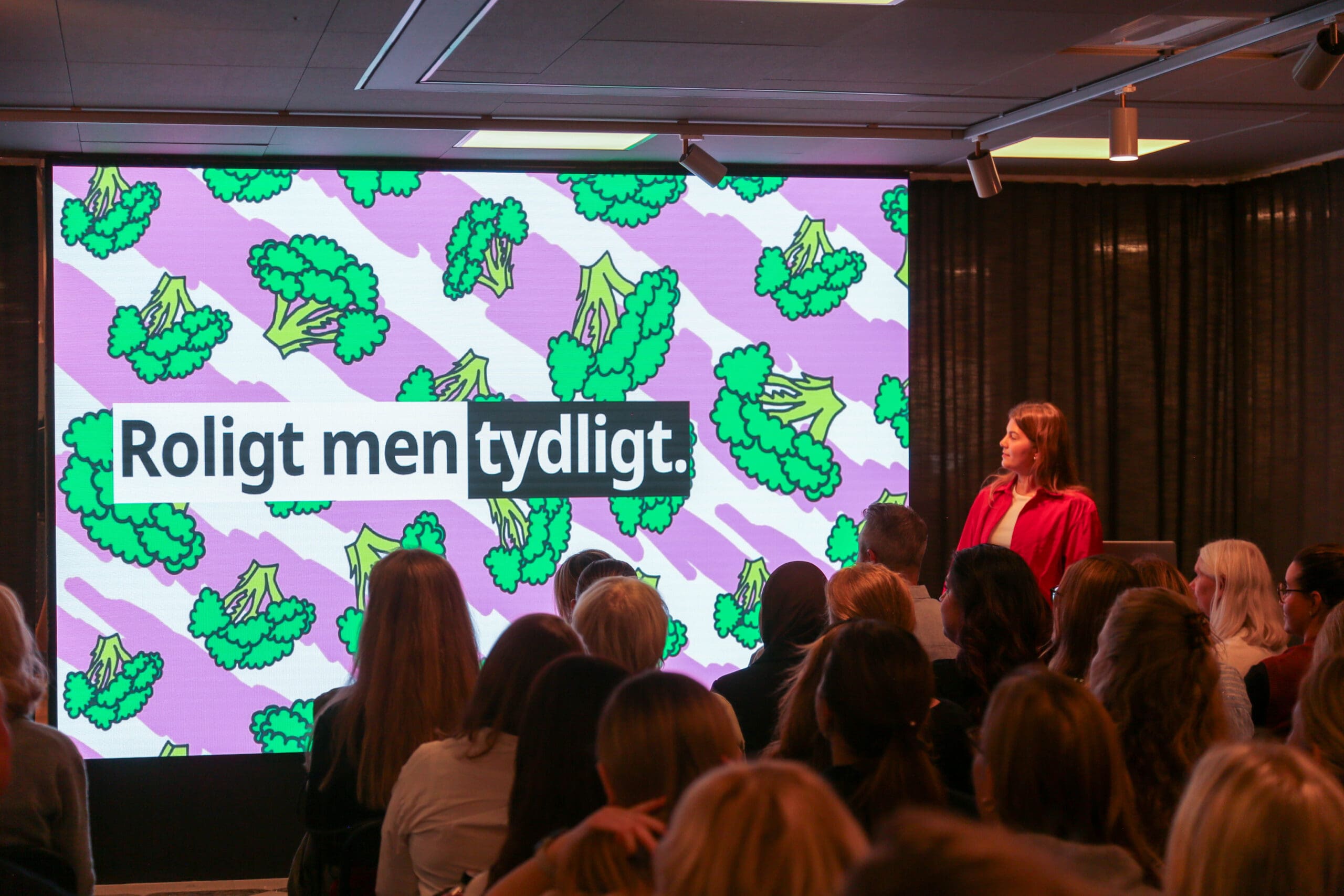
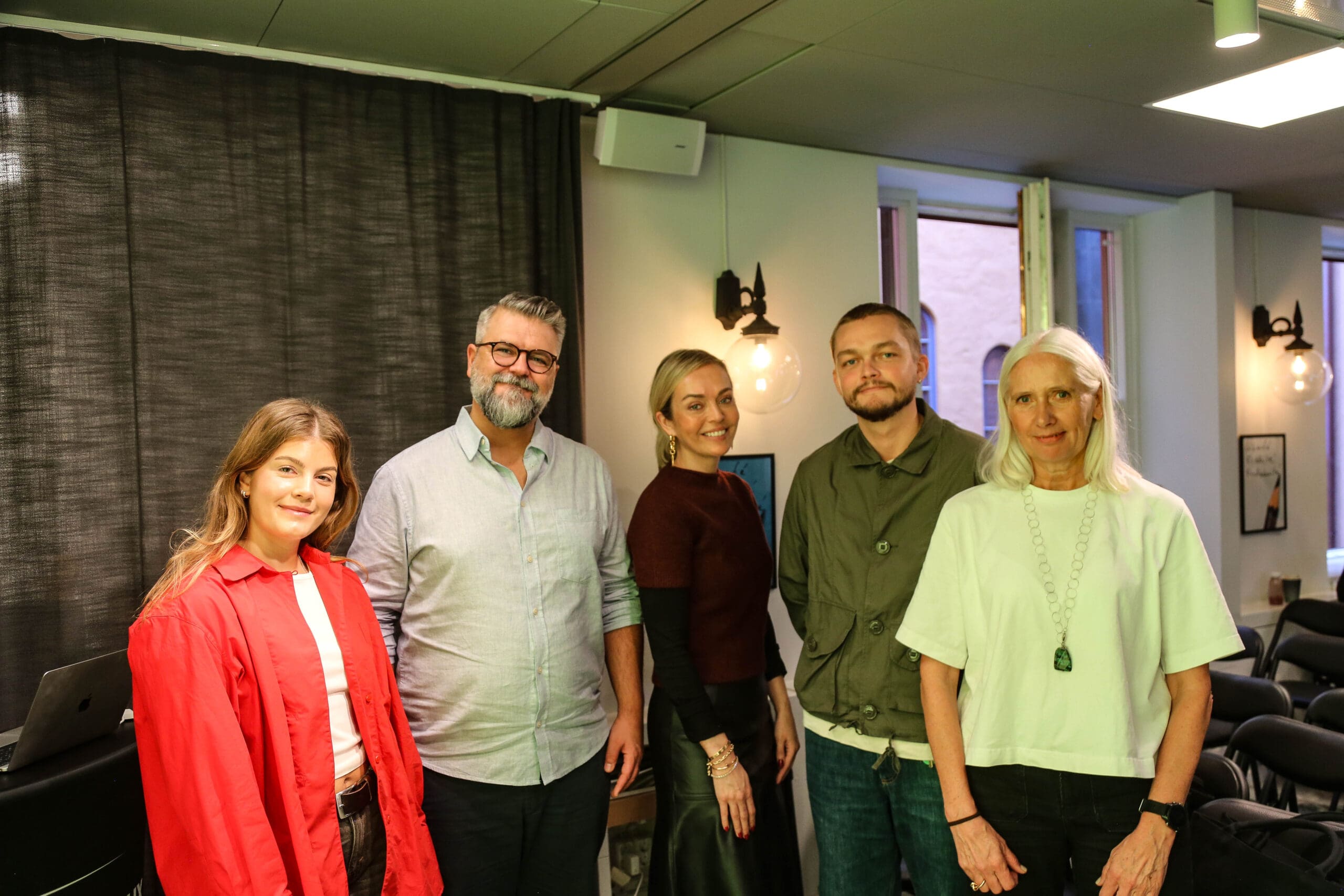
    This morning featured an inspiring creative breakfast in collaboration with Sveriges Annonsörer. It’s always valuable to gather and exchange ideas about our industry and future opportunities.

    Jim Carlberg, Marketing Director at Samsung, emphasized the importance of making the right choices and sometimes saying no. In a world where “more” is often seen as better—preferably everything at once—the ability to prioritize is one of the key strategic strengths.

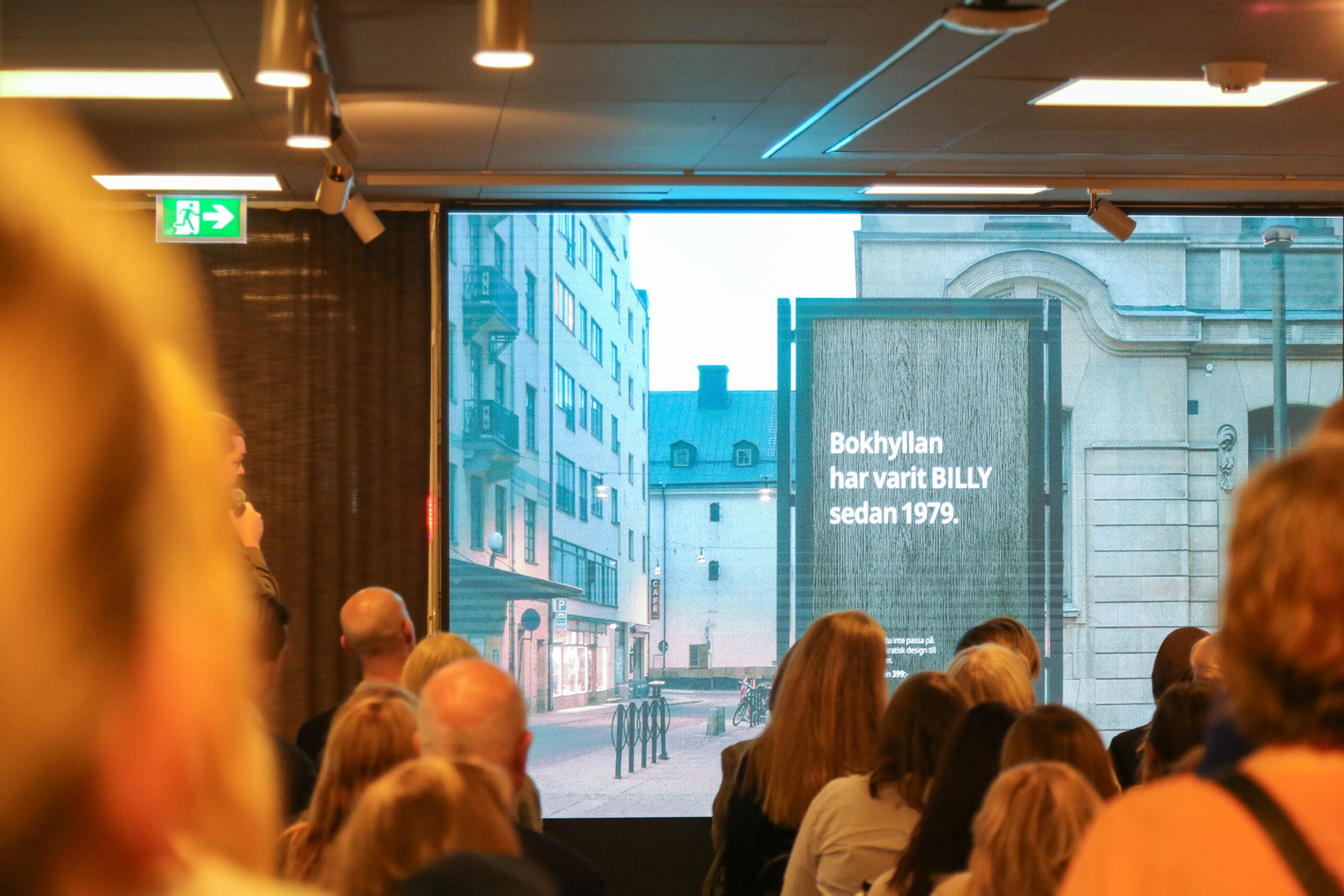
    Sindra Liebe, strategist, and Felix Jörneman, copywriter at Åkestam Holst / NoA, shared insights from IKEA’s latest campaigns where they transformed their product communication to maximize impact in reach media. For example, they included multiple languages to warmly welcome all tourists to Stockholm.

  • Step into the future at the JCDecaux Showroom on Kungsgatan

    Nyhet

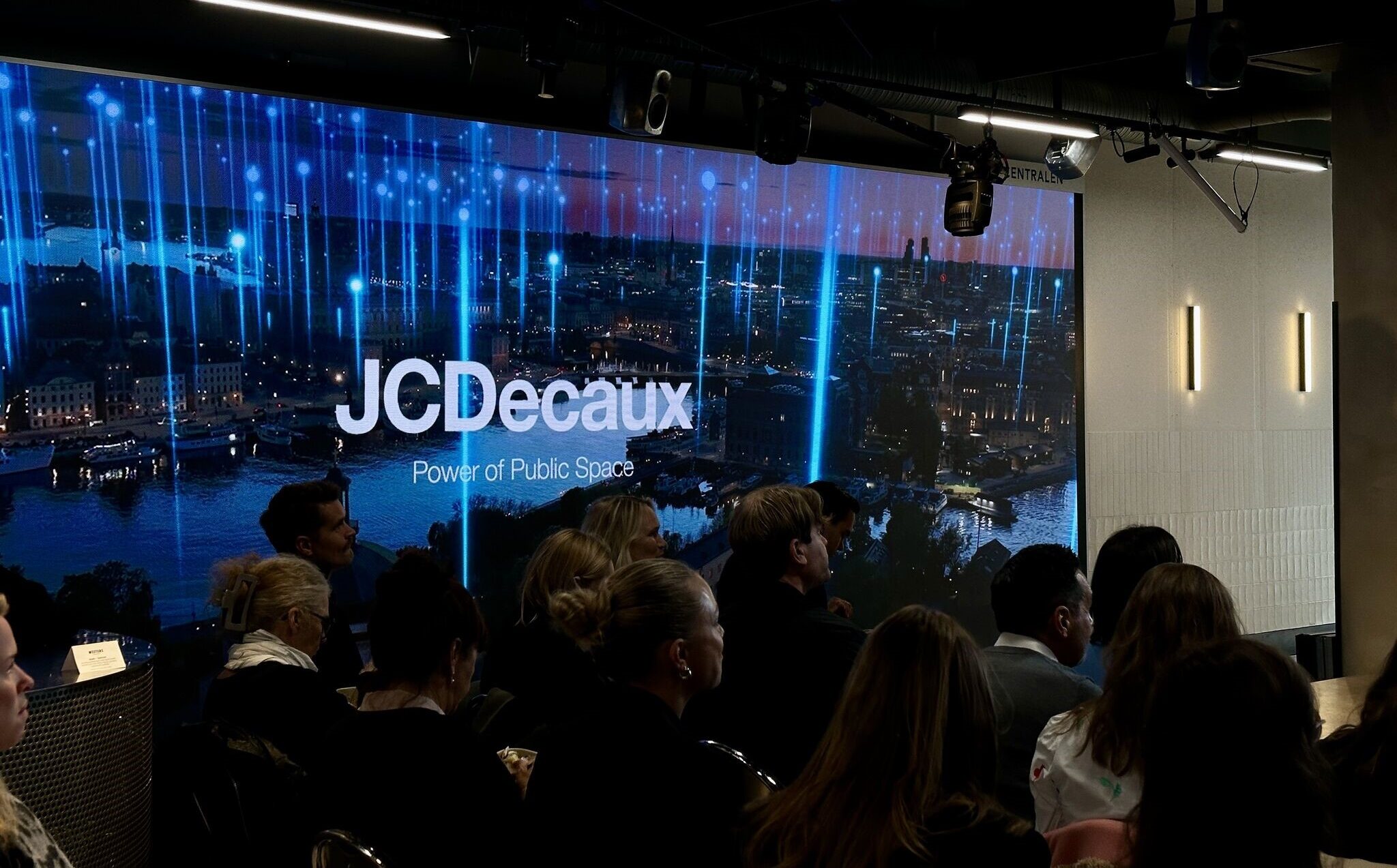
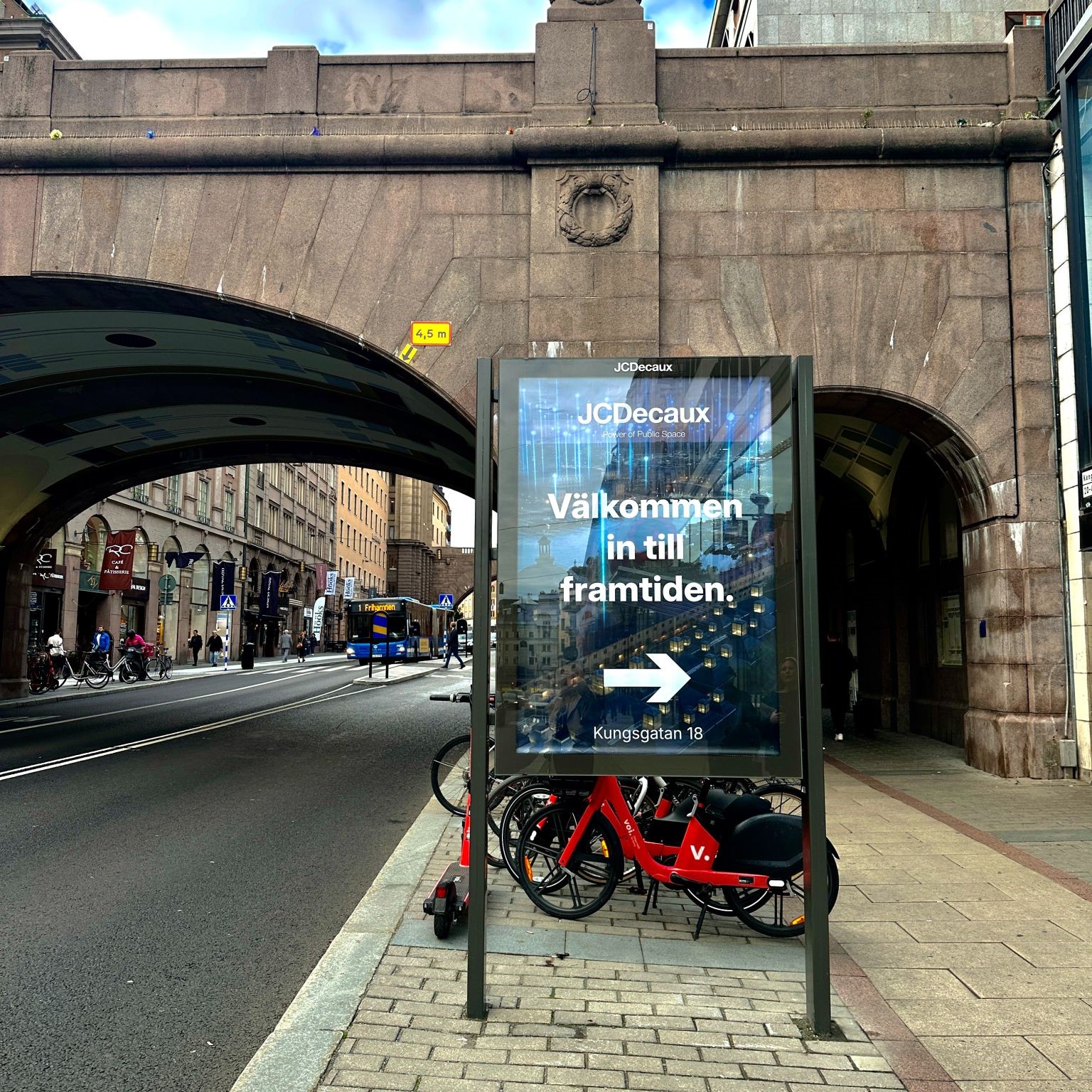
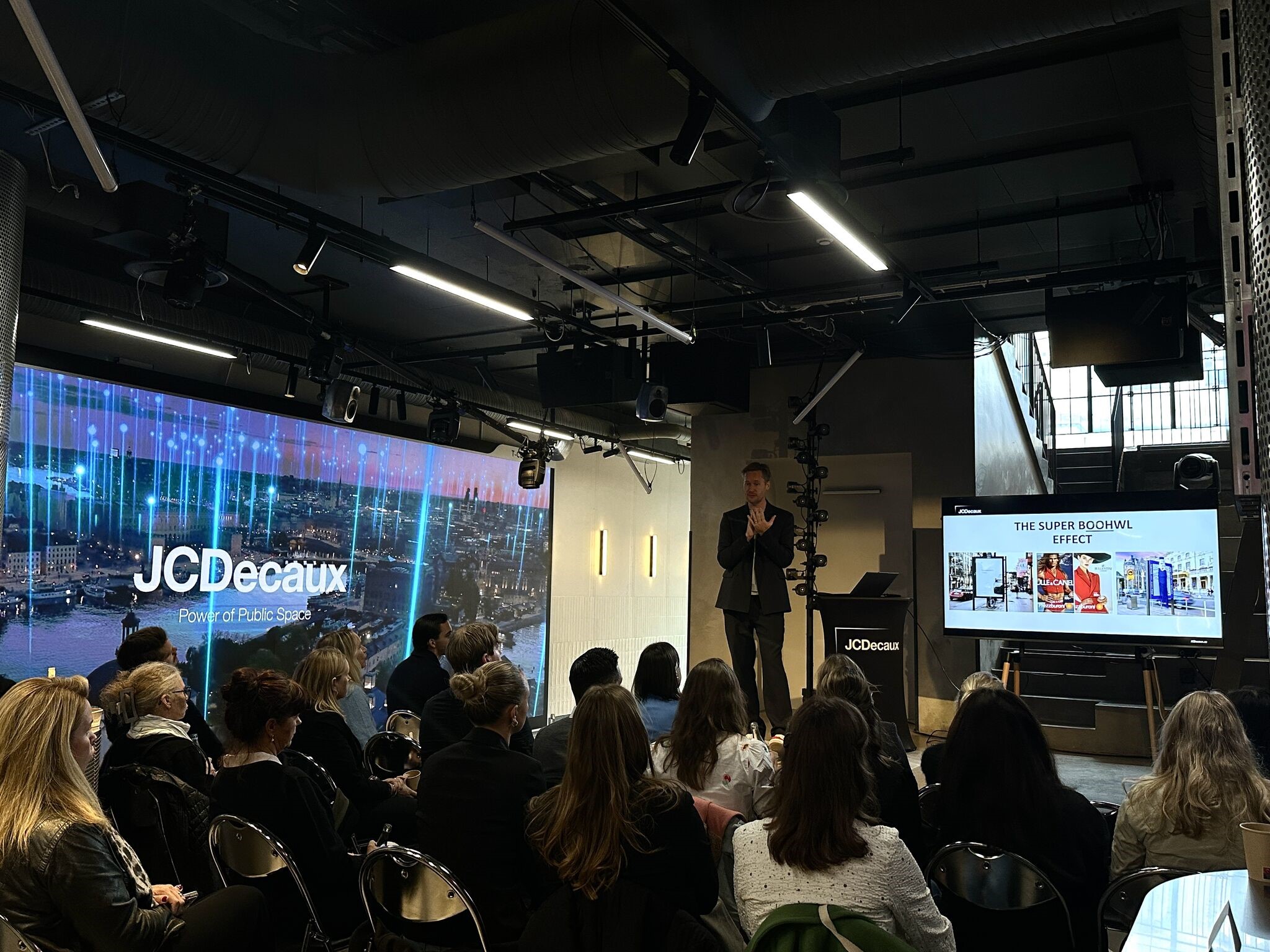
    Step into the future at the JCDecaux Showroom on Kungsgatan!

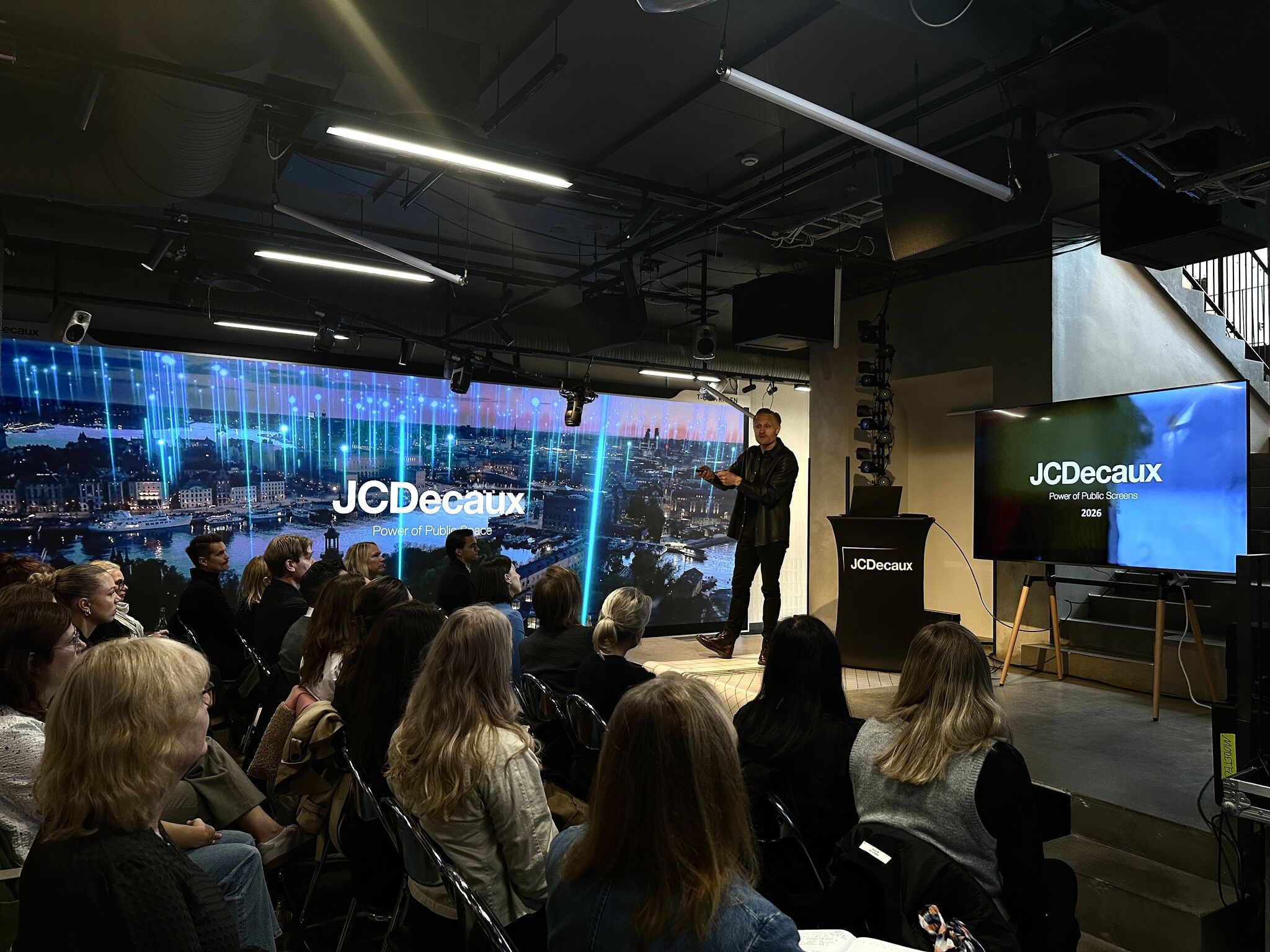
    We invite you to an innovative space where cutting-edge technology meets creative inspiration. Gain exclusive insight into the revolutionary digital solutions set to transform Stockholm’s subway system in 2026. More than a preview, this is your chance to explore how digital advertising can elevate your brand’s presence in the city’s busiest public spaces.

    Our showroom is not merely an exhibition – it’s an immersive experience. Discover firsthand the power of the Nordic region’s largest outdoor advertising network and learn how your brand can stand out and command attention like never before. Throughout the autumn, the showroom will be a vibrant hub of curated insights, fresh inspiration, and bold visions for the future of digital outdoor media.

    Ready to lead the way in digital outdoor advertising? Contact your sales representative to arrange a private tour. We look forward to welcoming you at Kungsgatan 18, where tomorrow’s communication takes shape today.

  • Lund Municipality, Tetra Pak & CoAction in a new collaboration

    Insights

    Lund Municipality, Tetra Pak & CoAction in a new collaboration; Lundahoj expands with new stations and increased accessibility

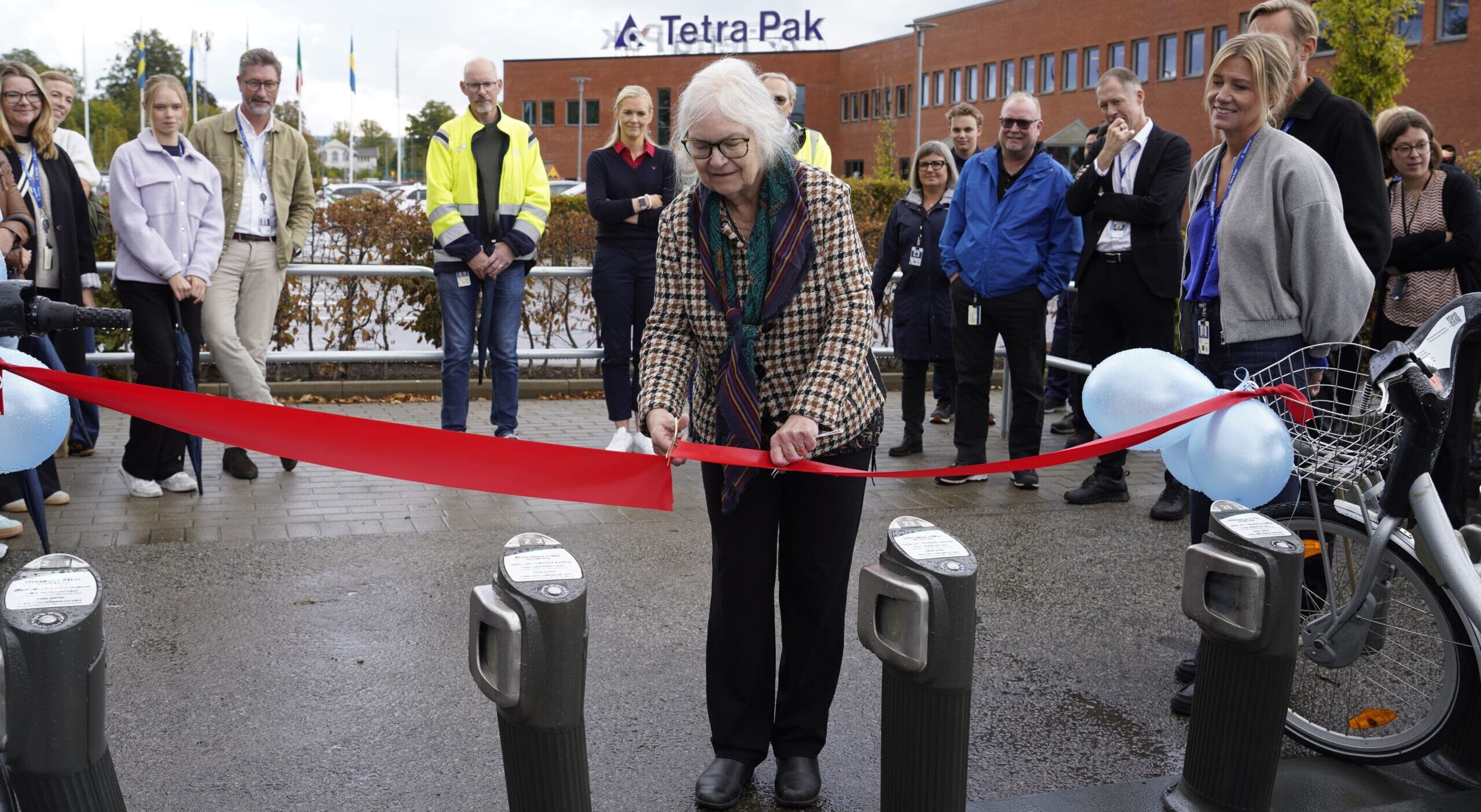
    Lund’s popular bike-sharing system, Lundahoj, is entering a new phase of expansion thanks to a strategic partnership with Tetra Pak and CoAction. The collaboration was inaugurated today with a new bike station at Tetra Pak’s office in Lund, marking the start of an expansion that will provide more Lund residents with access to sustainable travel options.

    The partnership with Tetra Pak exemplifies how the business sector can contribute to the city’s development. As part of the collaboration, Lundahoj has installed a new station right outside Tetra Pak’s headquarters, making it easier for their employees and visitors to choose sustainable transport.

    This partnership also supports a broader expansion of Lundahoj, with plans to add eight more bike stations expected to be operational by May 2026. This initiative responds to a growing demand, as Lundahoj has seen a steady increase in usage since its inception.

    The opening ceremony of the new station was celebrated today with Louise Rehn Winsborg, Chair of Tekniska Nämnden in Lund Municipality, cutting the ribbon.

    “Lund aims to be a leader in sustainable mobility. Lundahoj is a key part of the city’s transport system, and this collaboration between Lund Municipality, Tetra Pak, CoAction, and JCDecaux – which provides and maintains the bikes – highlights the strength of partnerships between the business community and local government working together towards common goals. This is great news for the people of Lund,” says Louise Rehn Winsborg.

    “We are excited to offer commuters, including Tetra Pak employees and local residents, a more flexible way to travel to and from trains and buses. This is part of our strategy to promote sustainable commuting for our staff. We strongly believe in flexible first- and last-mile solutions, and Lundahoj plays a key role here. Establishing a station on privately owned land was an idea that emerged from our work within CoAction, a climate partnership with 36 participants in Lund,” says Anna Stålnacke, Operations Manager at Tetra Pak.

    A big thank you to Sofia and Sanna for their dedication to the successful reopening of the Lundahoj station at Tetra Pak’s headquarters today!

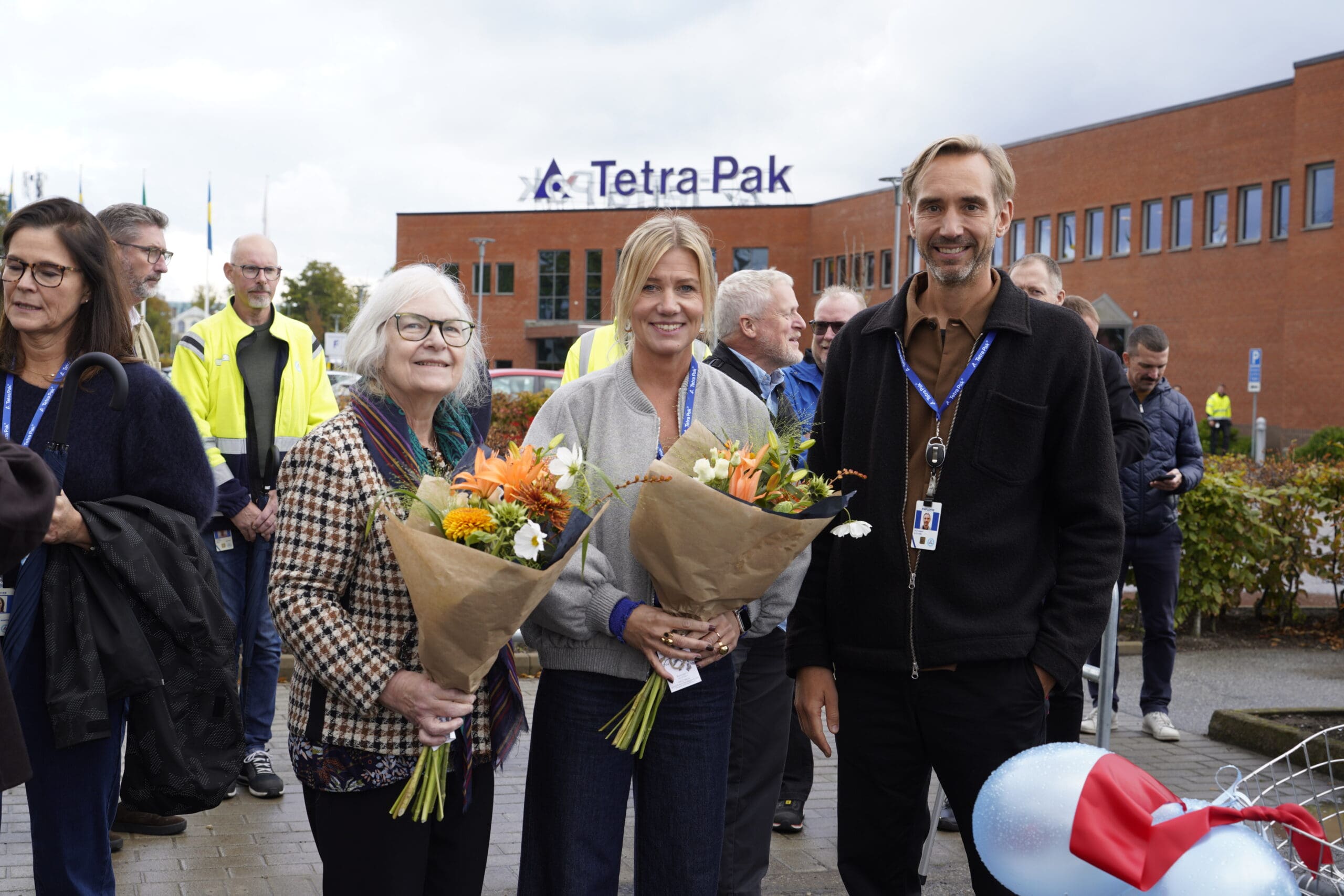
    From left to right: Louise Rehn Winsborg, Chair of Tekniska Nämnden, Anna Stålnacke, Operations Manager at Tetra Pak, Ola Trulsson, Environmental Manager at Tetra Pak

  • JCDecaux announces an order of 72 million SEK in new screen technology for Stockholm’s public transport

    Nyhet

    JCDecaux, the world leader in outdoor advertising, today announces an order exceeding 72 million SEK for new, state-of-the-art screen technology. This is the first part of the total SEK 150 million investment announced in connection with the signing of the SL contract. The order is placed with the world-leading manufacturers AOTO and Symbicon and marks the starting point for extensive digitalization in Stockholm’s public transport.

    After signing the largest advertising contract in the Nordics with SL in August, JCDecaux now takes the next step to realize the vision of a modernized and digitized public transport environment. The 72 million SEK investment is dedicated to purchasing the latest generation of digital screens to be installed at the 14 busiest concept stations in the subway and on bus shelters throughout Stockholm County.

    The deal is divided into two strategic parts:

    • 46 million SEK is invested in new digital display cases with an 86-inch screen size from the Finnish premium supplier Symbicon. These screens will be installed in hundreds of bus shelters, offering unparalleled visibility and flexibility along Stockholm residents’ daily travel routes.

    • 26 million SEK is invested in 19 square meter LED screens for the new MetroVision concept from the global technology leader AOTO. These large-format screens will create landmarks at strategic subway locations and provide advertisers with a platform of exceptional visual power.

    “Our commitment to SL and Stockholm residents is to invest in a public transport environment of world-class standards. By collaborating with the absolute best manufacturers, AOTO and Symbicon, we ensure a safe and secure premium infrastructure that will redefine what is possible in outdoor advertising. This gives our clients an unbeatable platform to build strong brands and practically demonstrates the power of public space,” says Magnus Heljeberg, CEO of JCDecaux Sweden.

    The choice of suppliers was made after a careful evaluation process where technical performance, sustainability, and innovation were crucial.
    “We have chosen technology that delivers outstanding image quality, is energy efficient, and built to withstand demanding public environments,” says Malin Andersson, Asset Director at JCDecaux.

    “For us, safety and security in public spaces are essential. That is why we have placed very strict requirements on our suppliers. Our new screens are flicker-free, fire-rated according to EN-13501, and IP65-rated to withstand weather, wind, and dust. Additionally, they are EMC Class B certified, ensuring they do not interfere with other sensitive equipment in public transport. A vital feature is the ability to connect to VMA (Important Message to the Public), making the screens an important part of the community’s crisis preparedness.”

    “JCDecaux and AOTO share a vision of setting a new industry standard for the city’s public spaces with innovative LED technology. In Stockholm’s subway, regarded by many as one of the most beautiful in the world, we have applied the most advanced and fire-safe LED technology to create a screen system that is both safe and visually striking. This shows that the future of digital advertising is about more than visibility – it must be integrated, secure, and enhance the public experience. This is more than an advertising project; it is a legendary engineering project for Stockholm, and we are incredibly proud to have contributed,” says Richard Yang, CEO of AOTO.

    Installation of the new screens will begin after New Year’s, in preparation for the launch of the new SL contracts in February and May 2026.

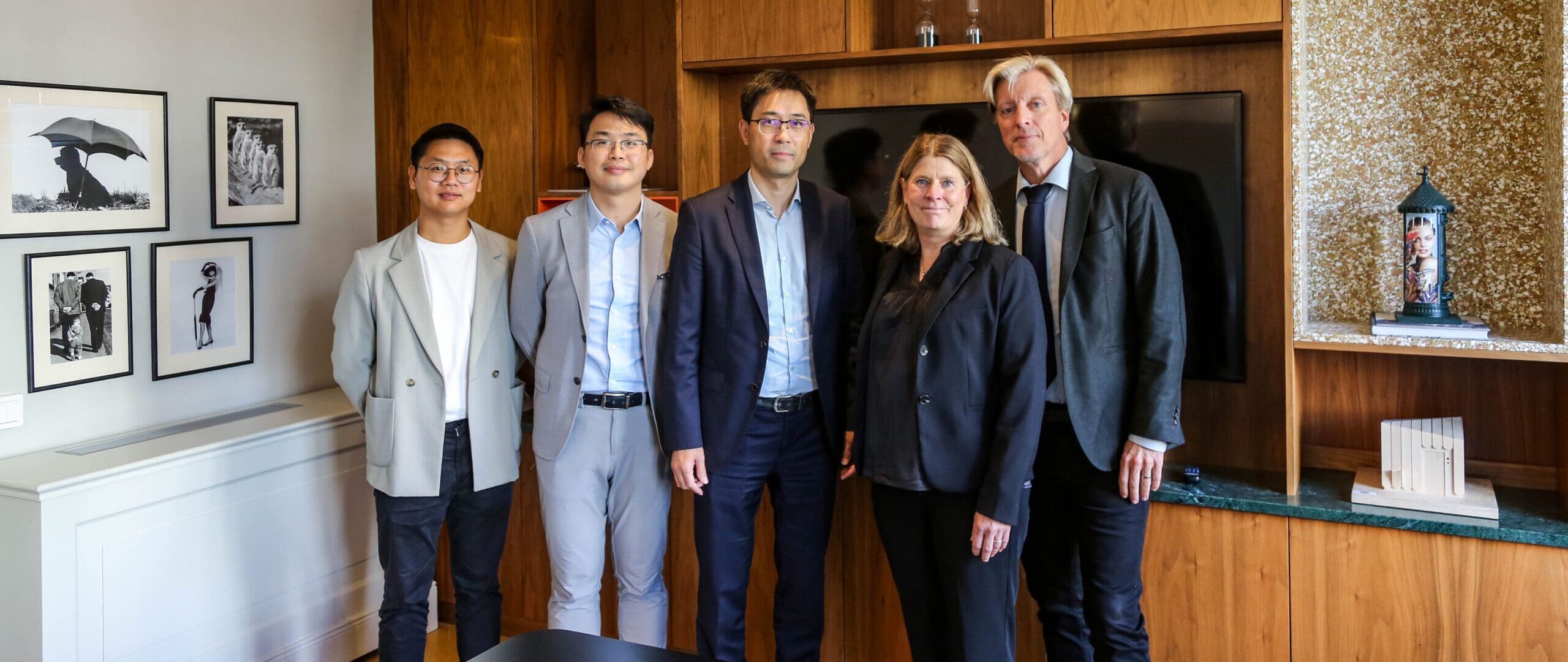
    On picture: Fr right: Magnus Heljeberg, VD JCDecaux, Malin Andersson, Asset Director JCDecaux, Richard Yang, VD AOTO, Mike Liu, Deputy General Manager, Joe Wu, Sales Director

  • JCDecaux Takes Over SL’s Advertising Spaces

    Nyhet

    Dagens Media has interviewed JCDecaux Sweden’s CEO Magnus Heljeberg, Communications Manager Malin Otterström, and Sales Director Cecilia “Cicci” Ottobre about the new SL contract. Below is a summary of the article, where they discuss plans for digitalization, new products, and future investments.Read the full article here: The billion SEK SL contract: This is JCDecaux’s plan ahead

    JCDecaux takes over SL’s advertising spaces – billion-Swedish-krona contract and record digitalization
    When SL’s new advertising contract takes effect in 2026, a historic increase in public transport advertising revenue is expected. The guaranteed annual return will increase by 50 percent, from about SEK 400 million to at least SEK 600 million. Overall, the contracts are estimated to be worth around SEK 5.5 billion during the seven-year period.

    JCDecaux strengthens its position
    In the procurement, JCDecaux won two contracts accounting for approximately 80 percent of the total value. This means the company will surpass Bauer Outdoor (formerly Clear Channel) and become the leading outdoor advertising player in both Sweden and the Nordic region.

    The contracts cover two main areas:

    • Concept stations: 14 of the largest subway and commuter train stations in central Stockholm. Here, 400 analog large formats will be replaced by digital screens, and new solutions will be added along tracks and escalators.

    • Bus shelters: All bus shelters in Stockholm County, more than 1,500 stops. In addition to existing areas, about 200 new advertising signs and extensive digitalization will be introduced.

    Focus on giant screens
    One of the most notable new features is the Metrovision giant screens, measuring 19 square meters, which will be placed opposite the platforms. These will be the largest of their kind in Europe at this location. Installation starts in summer 2026, with a total of 70 screens to be installed.

    Recruitments and preparations
    To manage the initiative, JCDecaux has already hired 20 new employees, with more expected in the coming months. – “Maybe 10–15 more employees, but one step at a time,” says Malin Otterström.

    When the new spaces are launched, the company will also serve as a showcase for the international group.
    “Large international clients in London, New York, or Paris will undoubtedly buy advertising in the Stockholm subway,” says Heljeberg.

    JCDecaux will present its new advertising packages to the market already in September. Bus campaigns start in February 2026 and concept stations in May the same year. – “It hasn’t been difficult to schedule meetings this fall,” the Sales Director Cecilia Ottobre notes.

    Pricing will reflect the unique locations.
    “These are unique advertising spaces, and the value will naturally be adjusted accordingly,” Ottobre says, emphasizing that prices will always be driven by demand.

    Looking ahead
    JCDecaux is investing SEK 150 million in the digital expansion. The company expects 2025 and 2026 to be heavier years profit-wise due to these investments, but sees a strong recovery already in 2027.
    The outdoor media channel has grown steadily in recent years and today accounts for about 5 percent of the ad market according to IRM. Heljeberg believes the share could rise to 6–7 percent within a few years, not least thanks to the possibilities offered by digitalization.
    – “Partly because of this unique investment we are making in the Nordics, and partly because of our reach and the flexibility that comes with digitalization,” he says.

  • Reach, Frequency, and GRP in (D)OOH – how it all connects

    Out-of-home advertising, both OOH and DOOH, is primarily purchased to create reach and generate the right level of pressure within a defined target audience. Consequently, three base metrics are used in almost all planning: reach, frequency, and GRP. These are standard in international guidelines and recognized by industry organizations, such as the OAAA and in JCDecaux’s own guides to (D)OOH measurement.

    What do reach, frequency, and GRP mean in (D)OOH?

    In (D)OOH, these are defined as follows:

    • Reach: The proportion of individuals in the target audience exposed to the campaign at least once during the campaign period.

    • Frequency: The average number of exposures per reached individual.

    • GRP (Gross Rating Points): The product of reach and frequency, often expressed as rating points over time.

    Billups describes these as the foundation for planning and comparing OOH campaigns: reach tells you how many people, frequency tells you how often, and GRP provides a comprehensive view of the campaign’s total pressure. The OAAA’s own glossary defines GRP in (D)OOH as a key metric for campaign delivery and for modeling reach and frequency.

    How are reach and frequency built in practice?

    There are two primary ways to build reach in (D)OOH:

    1. Geographic dispersion: Spreading units across multiple areas, neighborhoods, or cities.

      • Result: More unique individuals are reached → reach increases.

    2. Concentration in key hubs: Placing units heavily where traffic flows are high and visibility is strong (hubs, city centers, premium sites).

      • Result: Frequency increases relatively faster than reach; i.e., the same individuals encounter the message multiple times.

    GRP serves as a tool to balance these effects. Vector Media describes it as a practical compass: should the campaign prioritize reaching as many people as possible (reach) or increasing the number of contacts among those already reached (frequency), given a specific GRP target?

    DOOH: Reach and frequency in shared loops

    In DOOH, an additional dimension enters the equation: a single screen carries multiple campaigns in a shared spot loop. This means that reach and frequency are governed by both:

    • Number of screens and their placement.

    • Share of loop: The percentage of the loop your campaign occupies, and during which hours.

    At JCDecaux and across the industry, we emphasize that the flexibility of DOOH allows you to:

    • Concentrate pressure during specific hours or days when the target audience is most present.

    • Dial up the frequency during defined windows (e.g., launch week, evenings, weekends) without needing to change physical sites.

    The result is that you can build high frequency among the right people rather than spreading pressure evenly throughout the day.

    Best formats for (D)OOH reach, where the “big picture” is crucial

    When planning the best formats and networks for reach in (D)OOH, you must consider the big picture:

    • A broad network of standardized sites: Provides a stable base reach and ensures that a large portion of the target audience is reached at least once.

    • Select sites and premium locations: Used for reinforcement around high-priority areas, such as city centers, retail districts, or transit hubs, where both reach and frequency can be built more rapidly.

    • Placement and overlap: By understanding how different traffic flows and locations overlap, you can:

      • Avoid overexposure within certain segments of the target audience.

      • Free up space to add new contacts in other segments.

    As Cecilia Ottobre, Sales Director at JCDecaux Sweden, states: “It is the interaction between reach, frequency, and GRP that makes (D)OOH planning effective, not the maximization of a single number.”

    Conclusion: Steer toward the right combination, not just high numbers

    • Reach tells you how many people in your target audience you reach.

    • Frequency tells you how often they are reached.

    • GRP connects the two, making it possible to compare campaigns over time and across media.

    By combining a broad network of sites with the smart use of “select” and premium formats—and, in DOOH, the right share of loop at the right time—you can steer toward a level where reach, frequency, and GRP support the campaign’s purpose and its role in the media mix, rather than simply chasing the highest possible number of contacts.

    Relaterade insights

    View all
  • What is DOOH – and when should you choose it over traditional OOH?

    In 1964, Jean-Claude Decaux invented the concept of advertising-funded street furniture. This was a truly analog innovation: physical shelters and street-level assets financed by advertising, which laid the foundation for an entirely new business model for out-of-home (OOH) media.

    Since then, both advertising and urban environments have undergone a fundamental transformation. With the advent of digitalization, mobile screens, and data-driven marketing, the demand for relevance, flexibility, and measurability has intensified. JCDecaux has evolved in tandem with this shift—transforming from a purely analog player into a company that now offers both classic analog OOH and digital out-of-home (DOOH), with capabilities for programmatic buying and real-time data-driven campaign management.

    When JCDecaux became the world’s largest outdoor advertising company in 2011, built on three pillars—street furniture, transport advertising, and billboards—it marked the beginning of a new phase. Today, our mission is to combine the best of both worlds: the scalable reach and urban presence of analog OOH with the precision, dynamism, and measurability provided by digital and programmatically purchased DOOH. In doing so, we continue to develop the core concept established in 1964: making the city more functional, aesthetically pleasing, and relevant for people on the move.

    Two Sides of the Same Coin

    OOH and DOOH are effectively two sides of the same coin. Both are focused on securing visibility in environments where people move: on streets, in plazas, at transit stations, and within public transport systems. The distinction lies in how the message is displayed and the degree of flexibility available in managing it over time.

    Classic OOH (Out-of-Home) consists of static surfaces: bus shelters, street furniture, independent “Eurosize” panels (with public information on one side and advertising on the other), analog subway advertising, and larger-scale billboards such as our “Supersize” format. The message remains displayed 24/7 throughout a campaign period, providing a stable, predictable presence. For brands looking to build broad reach, work with a few clear assets, and keep production simple, this often serves as an effective foundation for the media mix. Standardized networks also simplify planning and procurement for both advertisers and agencies.

    DOOH (Digital Out-of-Home) is the digital evolution of the same channel. Messages are displayed on screens rather than posters, allowing for dynamic changes, optimized playback, and time-sensitive communication without the need for physical printing and installation. This becomes particularly compelling when timing and context are paramount: morning messages along commute paths, lunch offers near retail hubs, or campaigns that scale up during weekends or specific events. Examples of these formats include Digisize (standalone street-level screens), MetroVision (Europe’s largest digital network in the subway), and Supersize Digital (a 60-square-meter digital billboard).

    Performance and Impact

    Research, including studies by JCDecaux and Neuro-Insight, demonstrates that brain response intensifies when a message is contextually relevant, leading to improved ad recall and increased sales. For instance, dynamic, data-driven DOOH campaigns have shown up to 16–17% higher sales and significantly stronger brand impact compared to non-dynamic counterparts (DecisionMarketing / JCDecaux Neuro Study).

    Additional studies show that DOOH often drives more immediate action—such as search queries, store visits, or purchases—and is perceived as more innovative and engaging. For example, data from GroupM indicates that consumers frequently report that DOOH campaigns have prompted direct action, with the channel ranking highly in brand experience and creativity.

    Strategic Integration: OOH and DOOH

    The choice between OOH and DOOH is, therefore, less about “analog vs. digital” and more about the required level of campaign dynamism. If the objective is long-term awareness with a limited number of assets and stable presence, traditional OOH formats are highly effective. However, when a campaign requires high situational relevance—such as price offers, store traffic incentives, or messaging linked to weather, inventory status, or live data—DOOH becomes a more potent tool. Data triggers (such as weather, time of day, or specific events) can be integrated to control when, where, and how various assets are displayed. VIOOH and similar SSP platforms have emerged to make it easier for agencies and advertisers to purchase DOOH programmatically and integrate it into the same planning cycles as other digital channels.

    There is also a creative dimension where OOH and DOOH converge. Various creative activations—which we categorize as “Innovate” solutions—can combine physical structures with digital screens and motion content. A “takeover” of a high-impact digital site offers the same effect as a classic dominance campaign, but with the added power of moving imagery, multiple assets, and real-time messaging control. Industry media, such as The Drum, often highlights the combination of physical impact and dynamic, contextual communication as a key reason for the rapid growth of DOOH in global media plans.

    Conclusion

    In practice, the question is rarely “DOOH or OOH?” but rather “how do we use both to the greatest effect?”

    A common strategy for large-scale campaigns is to:

    • Utilize static OOH to build broad reach and a stable base presence in key environments.

    • Layer DOOH on top to increase relevance over time, manage ad pressure during key moments, and test multiple creative variants.

    Research into the interplay between these channels also shows that they do not merely perform well in isolation; they strengthen the effect of other channels. Lumen and JCDecaux have shown that exposure on public screens can “prime” the target audience, causing them to pay greater attention to advertising in digital channels subsequently.

    When OOH provides reach and physical presence, and DOOH adds time- and data-driven relevance, the result is a channel that both builds long-term brand equity and drives immediate action. This is where out-of-home advertising, in both its analog and digital forms, reaches its full potential within the media mix.

    Relaterade insights

    View all
  • Welcome to Our Exhibition in Almedalen – The City of the Future

    Event

    Welcome to Our Exhibition in Almedalen – The City of the Future

    The cities of the future are green, smart, and connected. 
    Time: June 25, 2025 – June 27, 2025, 09:00-16:00 

    Location: Almedalen, Hamnplan, Skeppsbron 20, Visby 

    Welcome to our exhibition of: – Fully accessible public toilets – Connected and climate-smart bus shelters with defibrillators – Solar cell-powered rental bike systems – Service station with still and sparkling water and a fully automated air pump 

    Date & Time: Tuesday-Thursday, June 24-26, 09:00-16:00 

    Location: Hamnplan, Skeppsbron 20 [Map Link] 

    Book your demonstration time: 

    Email: [email protected] 

    Phone: 073-375 69 87 

    Or feel free to “drop in” from Tuesday to Thursday, 09:00-16:00.